June 26
Roll The Bones: In the Shadow
By Chris Nelson
The 1953 animated film Peter Pan opens with the leader of the Lost Boys and his fairy sidekick, Tinkerbell, searching through Wendy Darling’s room for Peter’s missing shadow. Tink points to a dresser drawer, Peter opens it, out jumps the mischievous shadow, and a hilarious chase ensues. After some fumbling around, Peter snatches his shadow, which wakes up Wendy, and she sews the shadow back onto Peter’s foot while he plays the pan flute.
As a child this scene made a strong impression, because it was the first time I ever considered my shadow. While I understood that my shadow was a dark shape that appeared on grass, pavement, or walls when my body blocked a light source, I worried there was more to my shadow than simple science could explain. If my shadow moved like I moved, then maybe it felt like I felt, had dreams like mine, and wanted someone to be its friend like I did.
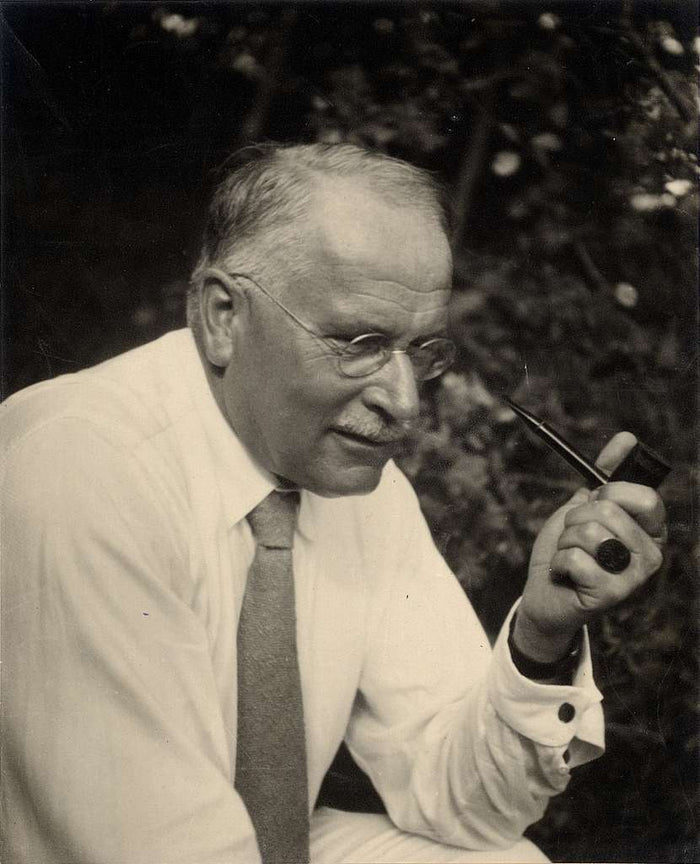
It was a silly, childish notion that I had forgotten about for over two decades until my therapist introduced me to Swiss psychiatrist and psychoanalyst Carl Jung’s “shadow work.” In his 1938 essay "Psychology and Religion”, Jung wrote;
"Unfortunately there can be no doubt that man is, on the whole, less good than he imagines himself or wants to be. Everyone carries a shadow, and the less it is embodied in the individual's conscious life, the blacker and denser it is. At all counts, it forms an unconscious snag, thwarting our most well-meant intentions.”
The shadow is the unconscious part of the personality that contains every desire or emotion that our conscious ego denies or rejects -the hidden part of the human psyche. Jung described the shadow as “the thing a person has no wish to be” and argued that the shadow first forms in childhood and is shaped by what was rewarded and what was punished, what was accepted and what was denied. Through that learned history, we form a social persona that masks our flaws and imperfections in hopes that people will accept and celebrate us, but still our shadow remains, repressed but influencing our every move and every thought.


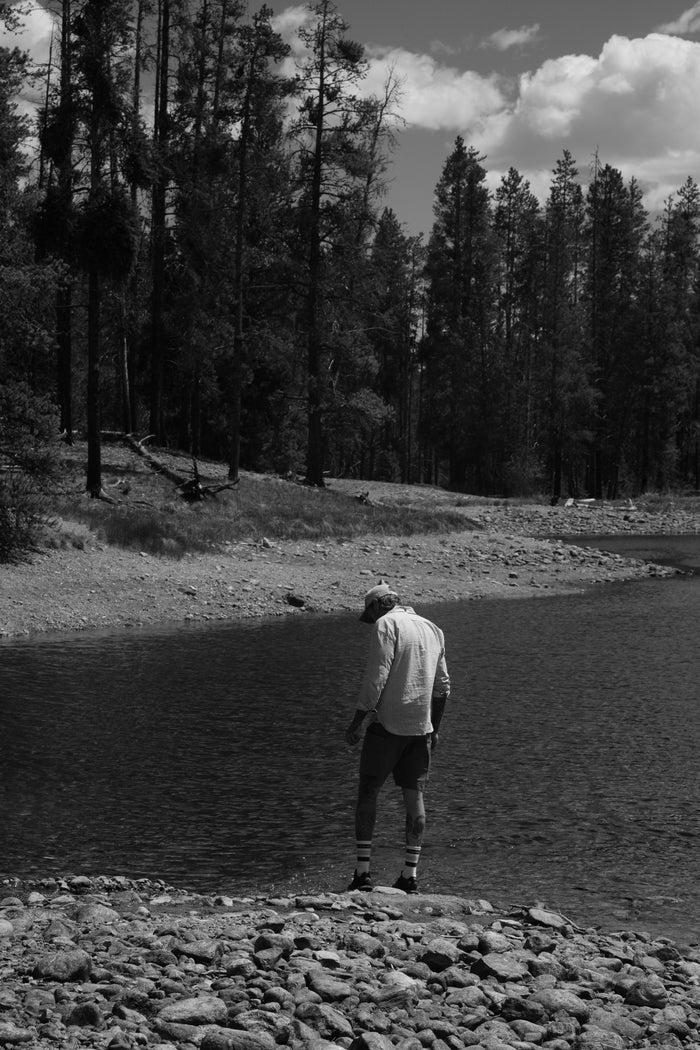
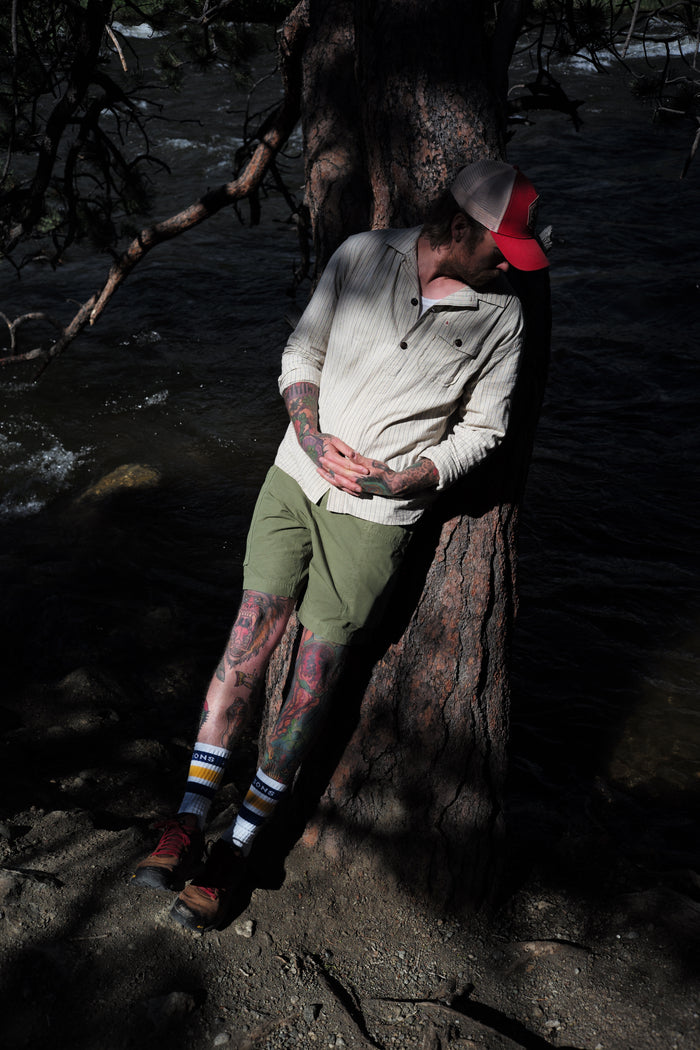
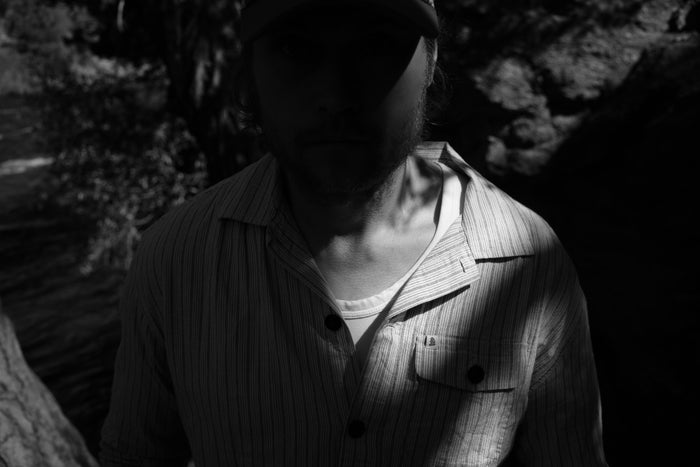
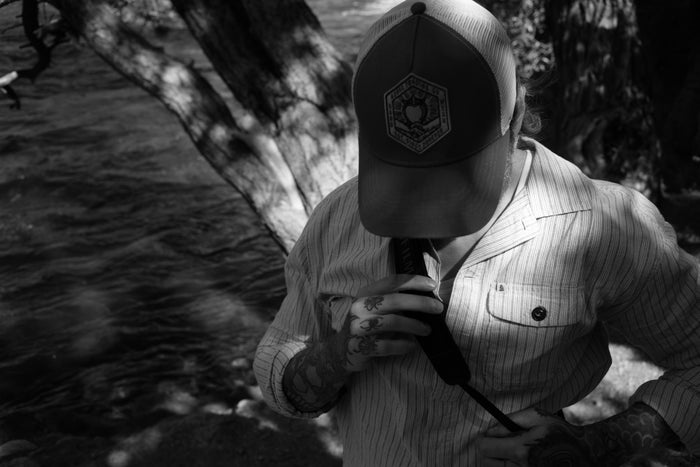
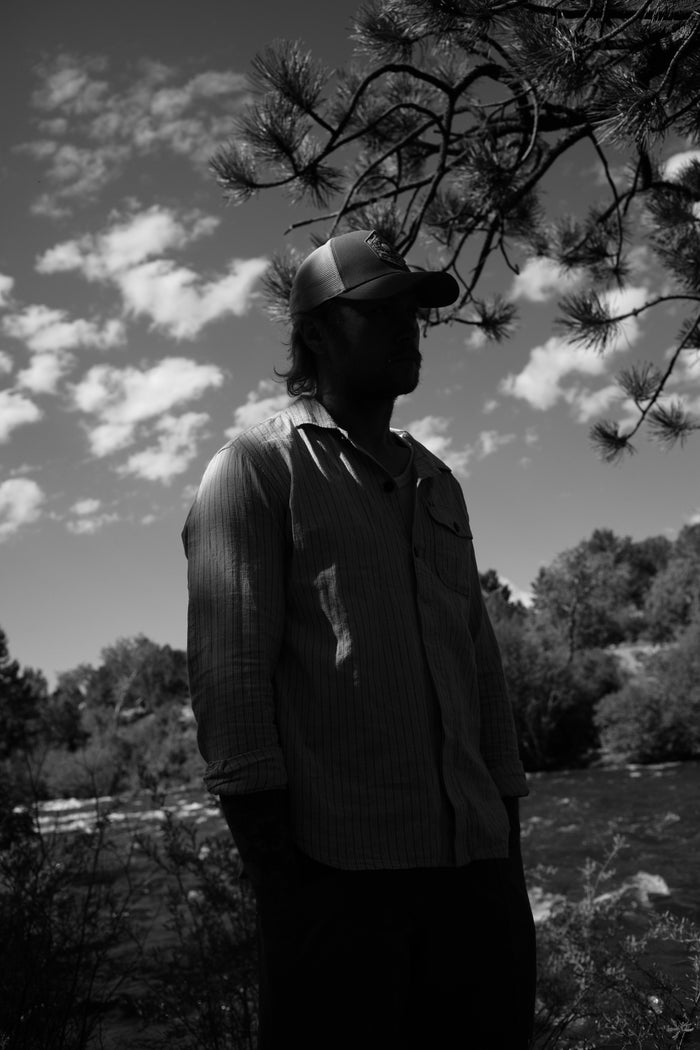
When my therapist introduced me to shadow work, he explained that it would bring suppressed emotions trapped within my child self back to the surface of my consciousness to give me the opportunity to accept and love parts of myself that I didn’t want to see. At first I was cautious and skeptical, saying that shadow work sounded a lot like “good ol’-fashioned therapy that tells you to lick your old wounds, embrace your scars, and move on,” but my therapist told me that I wasn’t seeing the whole picture, and that there is more to the shadow than old problems and past pains.
The shadow is not some dark corner of our souls where sick thoughts and violent feelings pile up, but rather it encompasses all of the parts of the personality that we refuse to see, including positive traits. Sometimes what we appreciate and idolize in others lives and breathes as unrealized potential within our shadow, like unabashed ambition, bold confidence, unbridled joy, and creative freedom—these are hidden superpowers, if we do not deny them and instead embrace the unease they make us feel.
While my therapist explained shadow work to me, I suddenly heard my child self start to gleefully chirp: “I was right, I knew it! My shadow feels like I feel, too!” It wasn’t the first time I heard my child self, but it was the first time I didn’t deny the voice inside my head, and instead I listened with compassion and understanding. The more I listened, the more I understood that years of silenced thoughts and feelings needed to come out of the dark.
Little by little, my unconscious thoughts and feelings started to seep into my consciousness. There was shame and guilt from years of selfish alcoholism that broke too many hearts of people who once loved me. There was embarrassment and resentment that had been stewing for more than two decades because a teenage girl called me “Toad Boy” to poke fun at the thick, blue veins on the sides of my head. There was hatred and malice from the time my step-brother held me by my ankles and dangled me upside down over a balcony, threatening to drop me as I screamed for my life and squirmed like a worm on a fishhook.
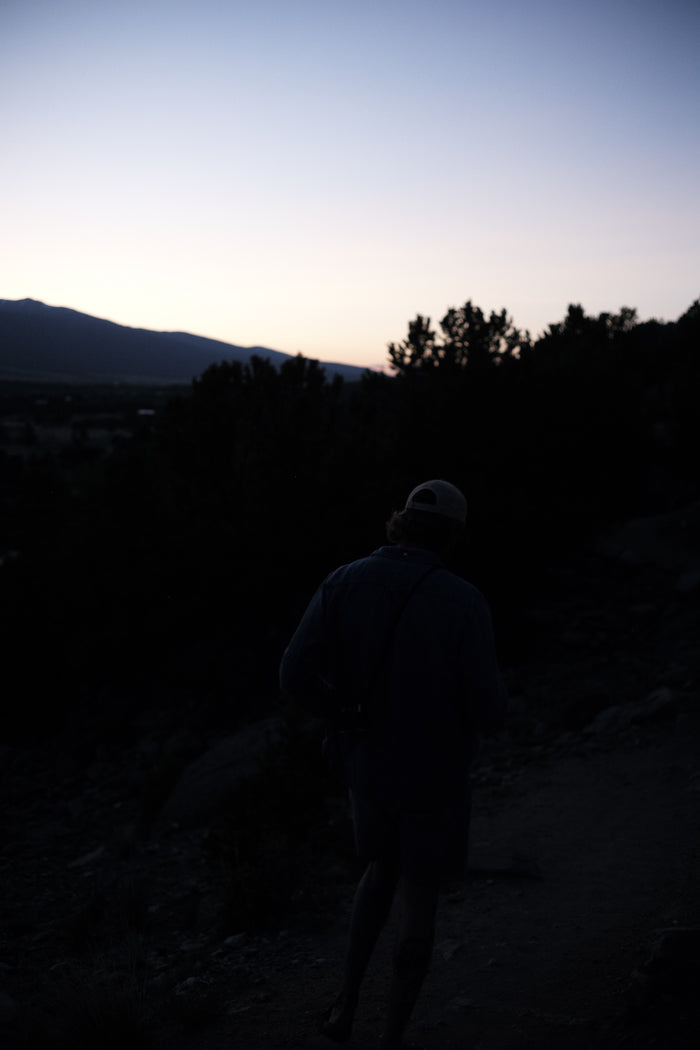
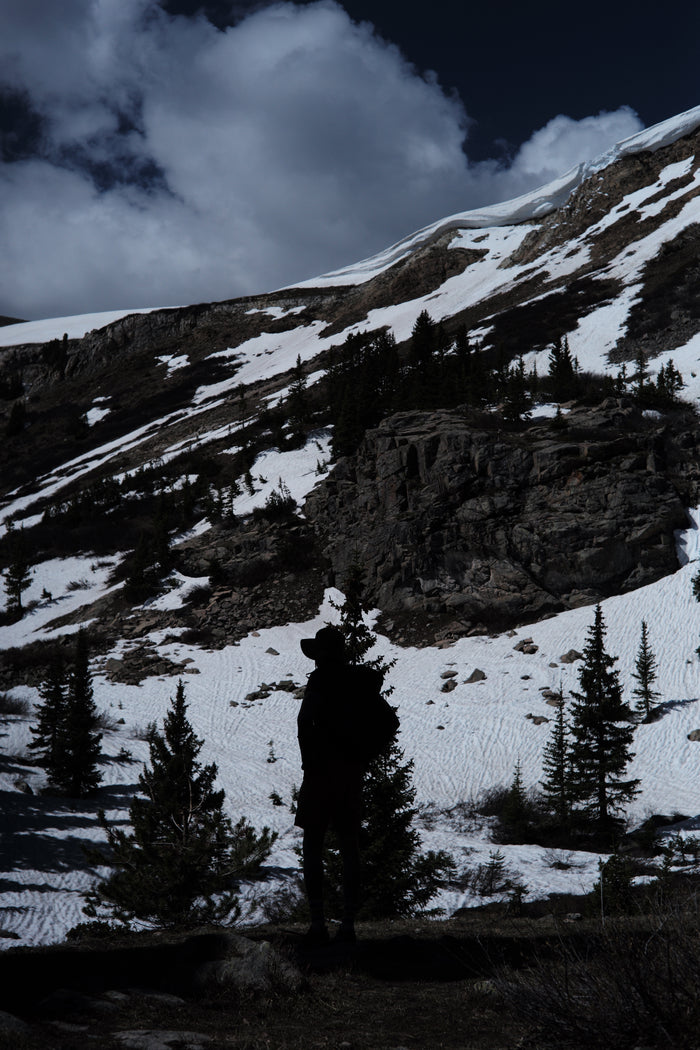
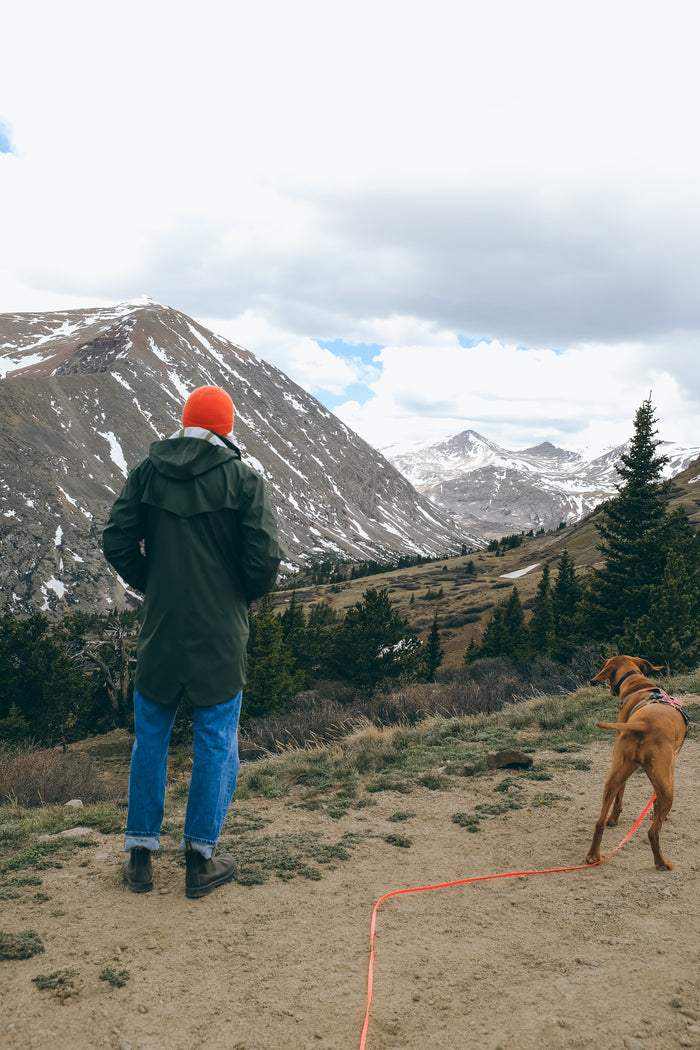
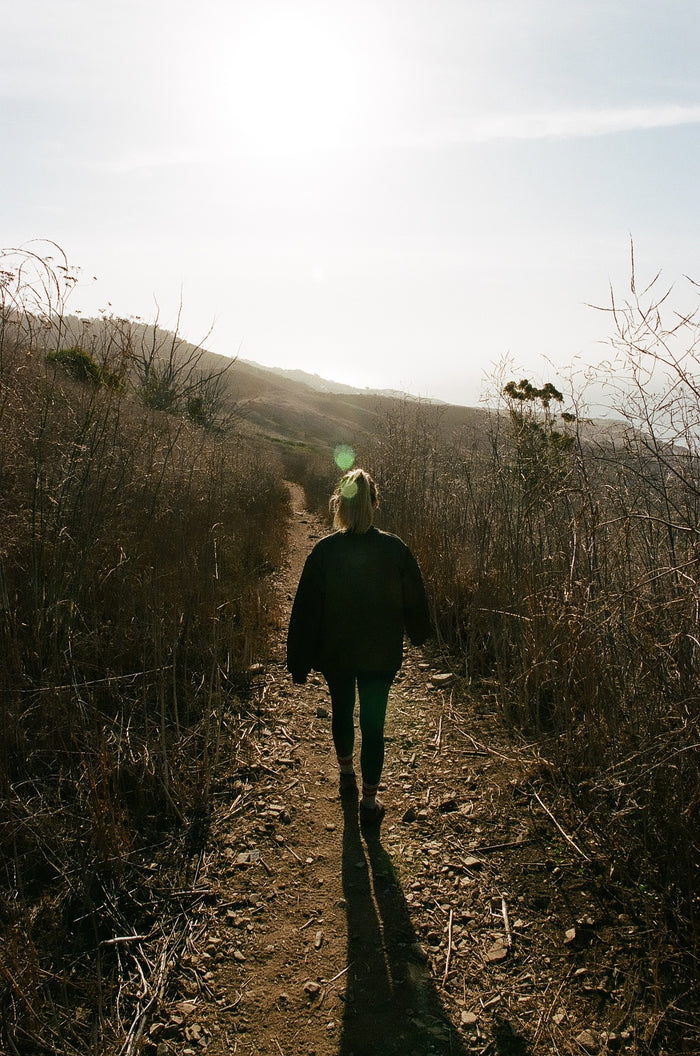
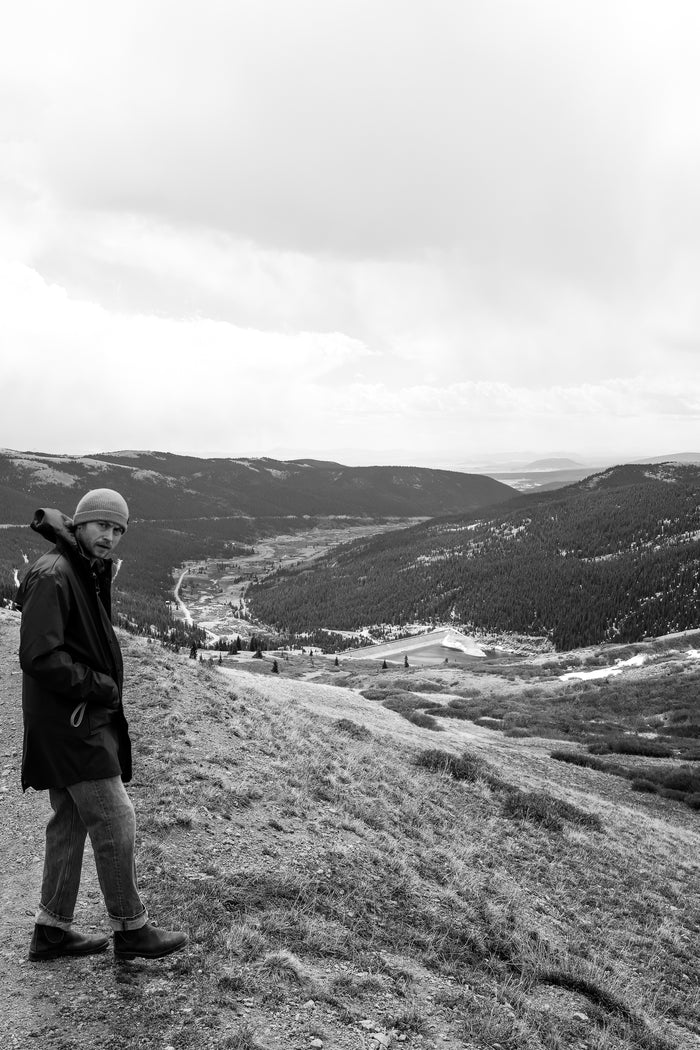
Grime and gunk came spilling out first, like dirty water from an old garden hose that hadn’t been turned on in years, but by slowly learning to accept my mistakes and love my flaws, thoughts and feelings flowed freely from my subconscious into a part of myself that is capable of acknowledging and healing.
My child self was right: your shadow feels how you feel, and it wants you to be its friend.



pioneers Sep 26
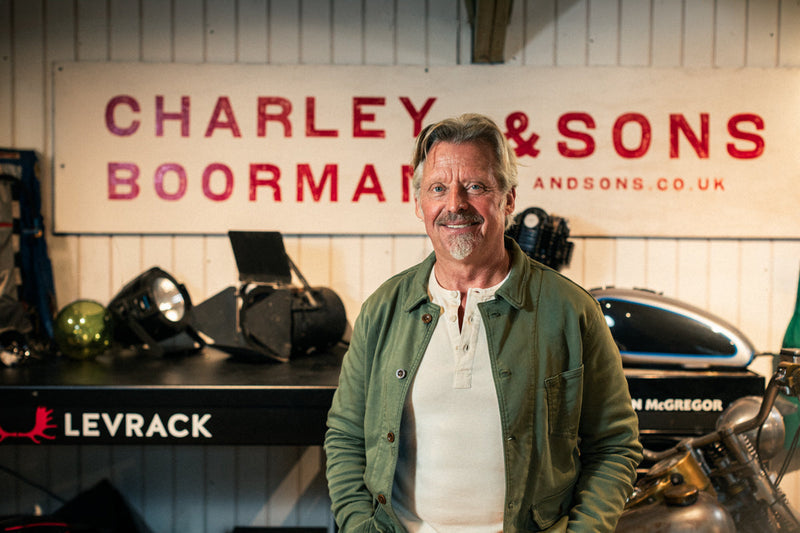
Pioneer Stories: Charley Boorman - Adventure, Friendship and the Open Road

pioneers Aug 26
Pioneer Stories: Walt Siegl – Building Beauty with Purpose
Aug 26


