July 26
Roll The Bones: Pikes Peak
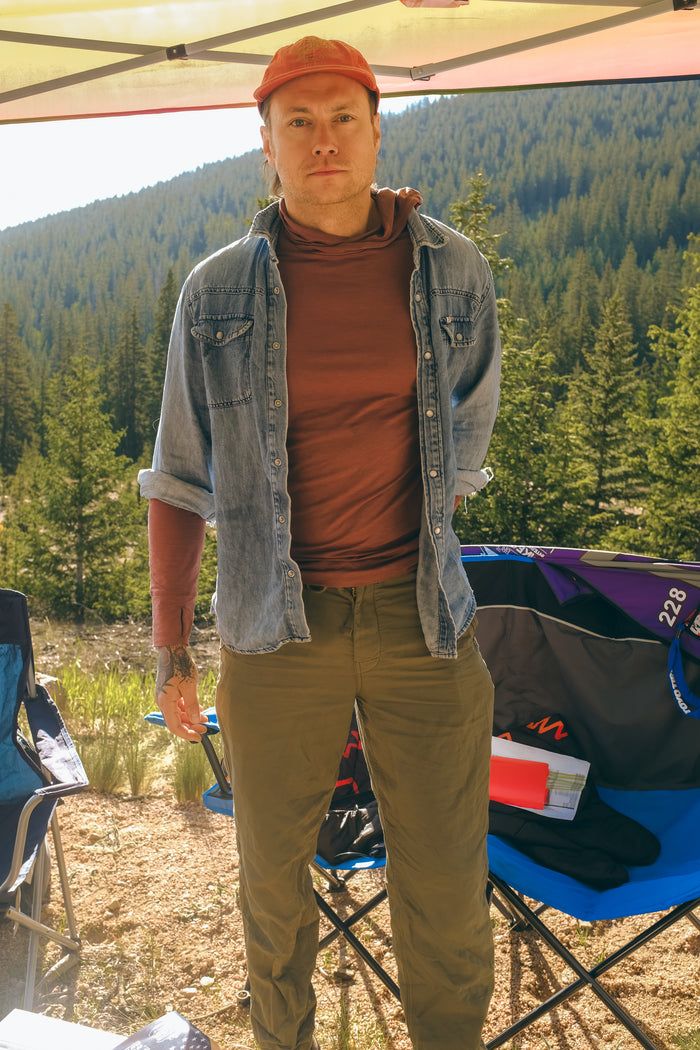
By Chris Nelson
On the longest day of the year, a few friends and I drove up “America’s Mountain” just outside of Colorado Springs, Colorado to attend the 104th running of the second oldest automotive event in the country: Pikes Peak International Hill Climb.
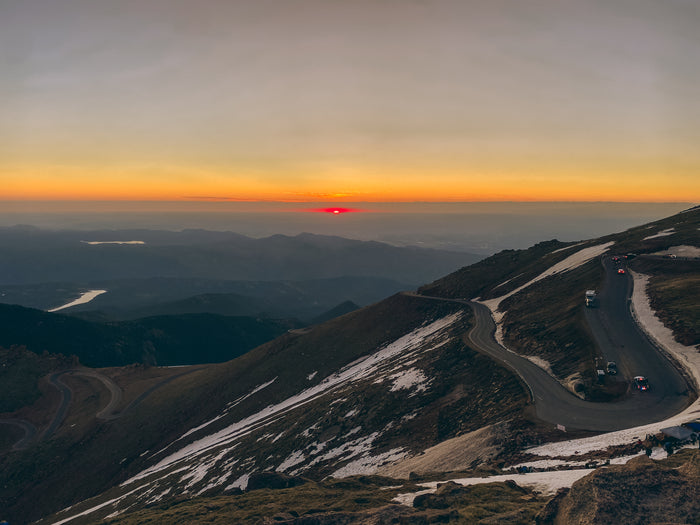
It was my third trip to “Race to the Clouds,” which has been running since 1916 and has become one of the world's most legendary and uniquely challenging motorsports events. Competitors race up a 20-kilometer course through 156 turns toward the finish line on the mountain summit, 4,300 meters above sea level. The combination of high altitude, rapidly changing weather, and sheer mountain exposure has made the event one of racing's greatest challenges of both driver and machine, which is why teams travel to the mountain a month before race day for testing and tuning, and is why the mountain has long attracted some of the biggest names in racing history, from Bobby Unser and Michèle Mouton to Walter Röhrl and Sébastien Loeb.
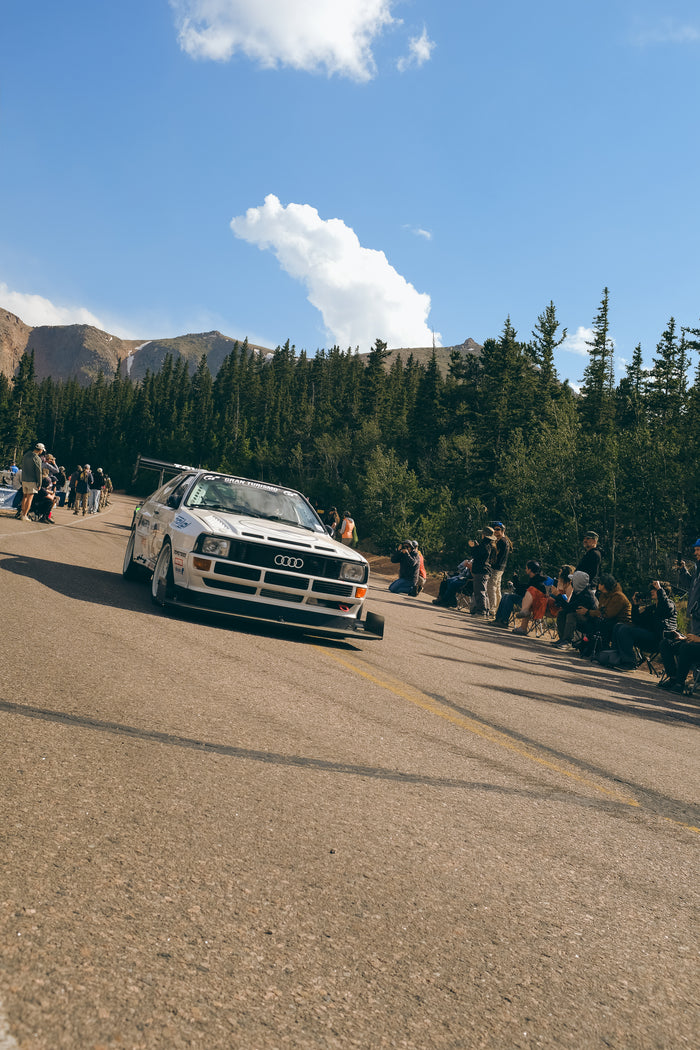
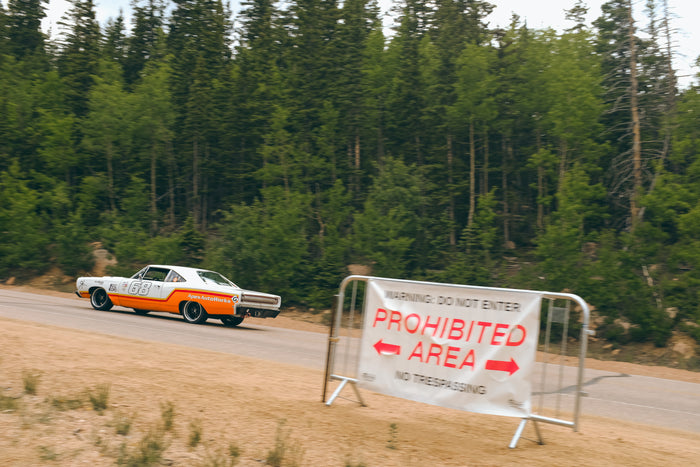
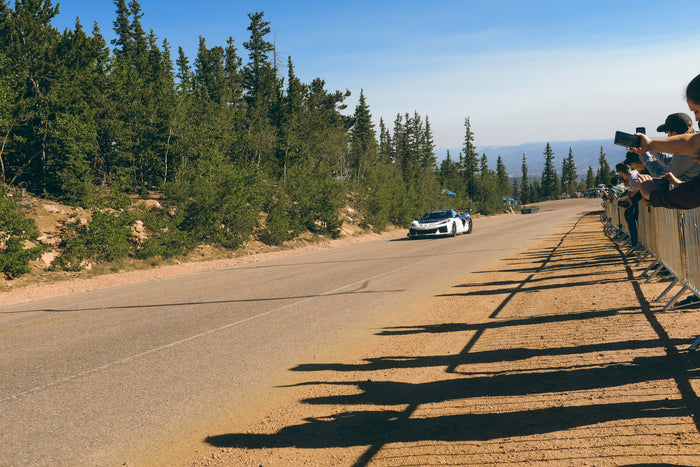
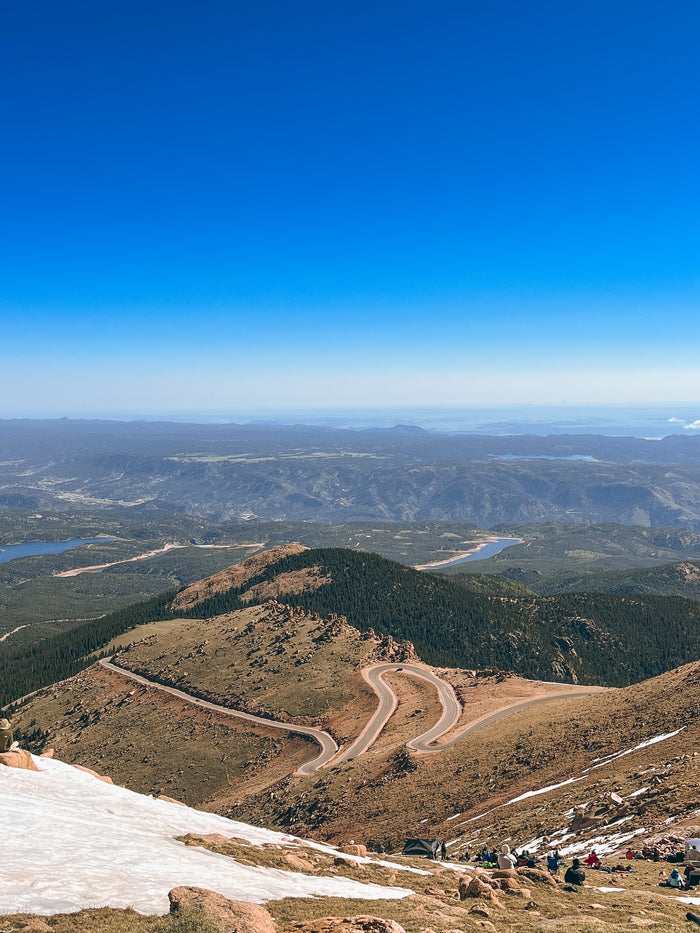
For more than a century, Pikes Peak International Hill Climb has served as a proving ground for automotive innovation, from early experiments with brakes and transmissions to all-wheel drive, aerodynamics, and modern electric race cars. Originally the race took place almost entirely on gravel, but the course was fully paved in 2012, ushering in a new era of record-breaking performances on the unforgiving mountain. At the inaugural event, the fastest official time was 20 minutes, 55 seconds, set by Rea Lentz driving the Romano Demon Special, but the current record time is 7 minutes, 57 seconds, set in 2018 by Romain Dumas and Volkswagen in an all-electric I.D. R Pikes Peak.
For the reward of conquering the mountain, you must be willing to risk your life. Over the years Pikes Peak has claimed the lives of seven racers, with the most recent death in 2019 when four-time “King of the Mountain” motorcycle champion and my dear friend Carlin Dunne highsided his prototype Ducati Streetfighter V4 just 18 meters from the finish line, went over the handlebars and off the side of a cliff, succumbing to his injuries; he was 36 years old. After that tragic day, motorcycles were permanently banned from the race, and I never looked at the mountain the same way.
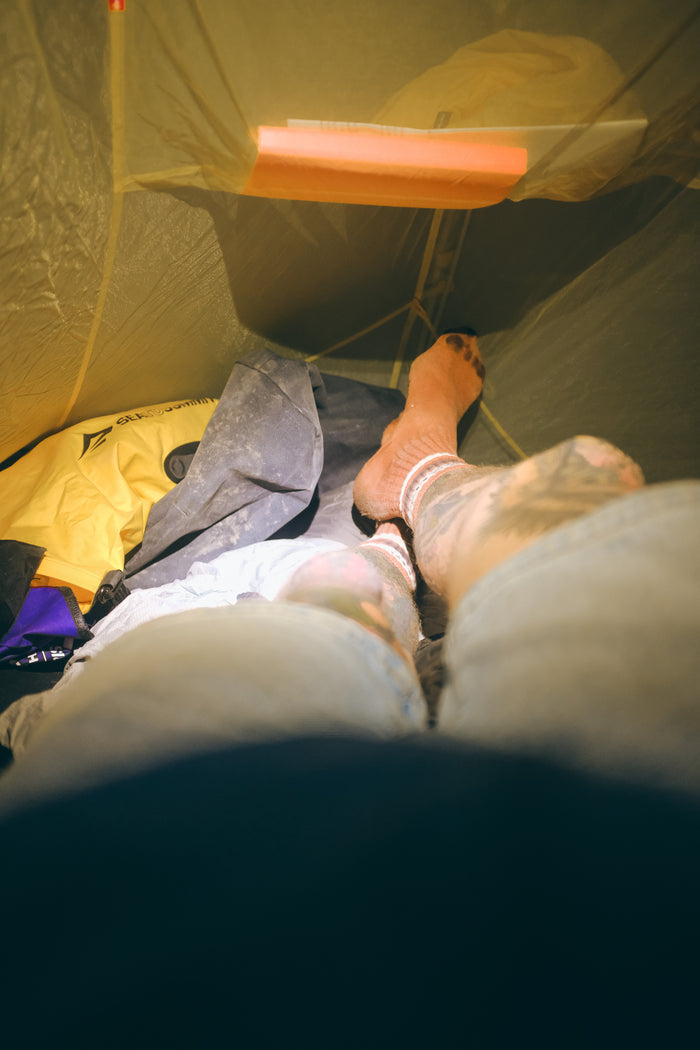
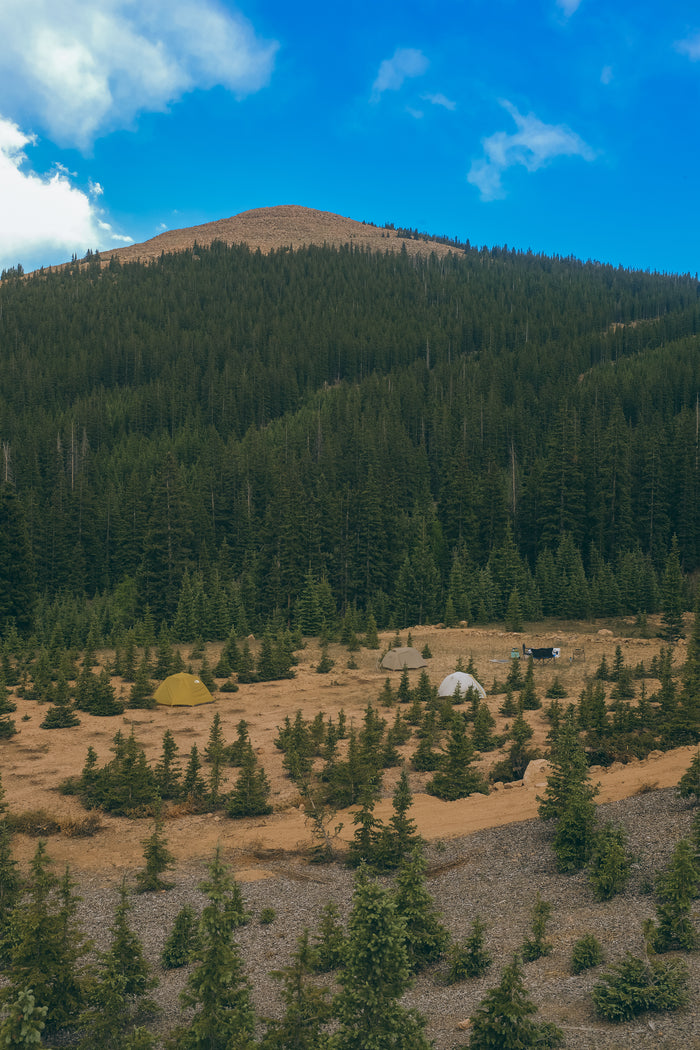
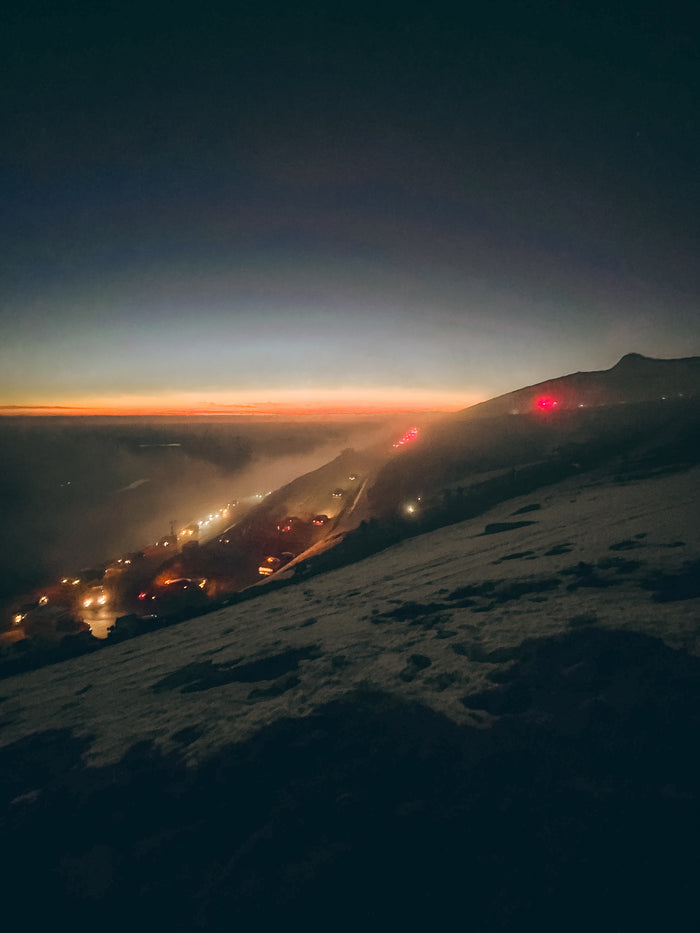
The first two times I attended the Pikes Peak International Hill Climb in 2022 and 2023, I brought along a handwritten note for Carlin, and during the race I found a corner on the course, dug a little hole with my hands, and buried the letter. This year my friends and I changed our routine and camped on the mountainside at an elevation of 3,350 meters - a much more enjoyable experience than years past, which required us to arrive at the mountain at midnight, queue for hours, and drive up the winding road in the wee hours of the morning to blearily set up camp in total darkness - so instead of burying a note, I wriggled out of my tent at dawn, watched a burning red sun rise into the sky, and sat in the dirt and talked to Dunne as if he were right beside me, getting ready to run up the mountain once more.
Not long after the conversation ended, my friends poked out from their tents, so I set up a single-burner propane grill and cooked a pancake breakfast. At 7:30 in the morning, the race began. Last year, 130-kmh winds at the summit forced organizers to dramatically shorten the course by more than 60%, but this year we had sunny skies and favorable conditions, which meant we could enjoy an unforgettable, record-setting day of racing.
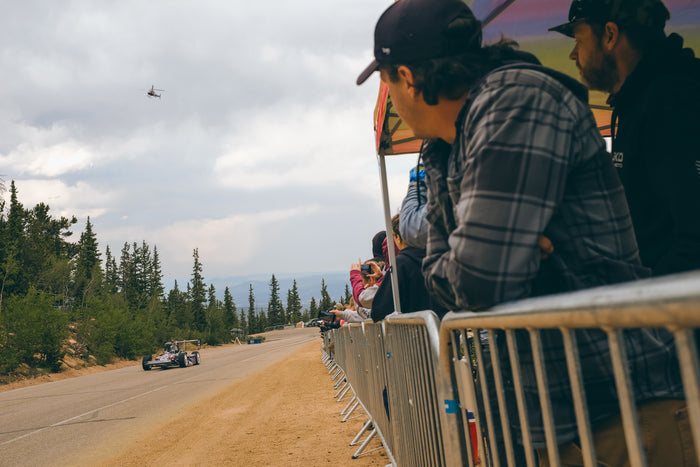
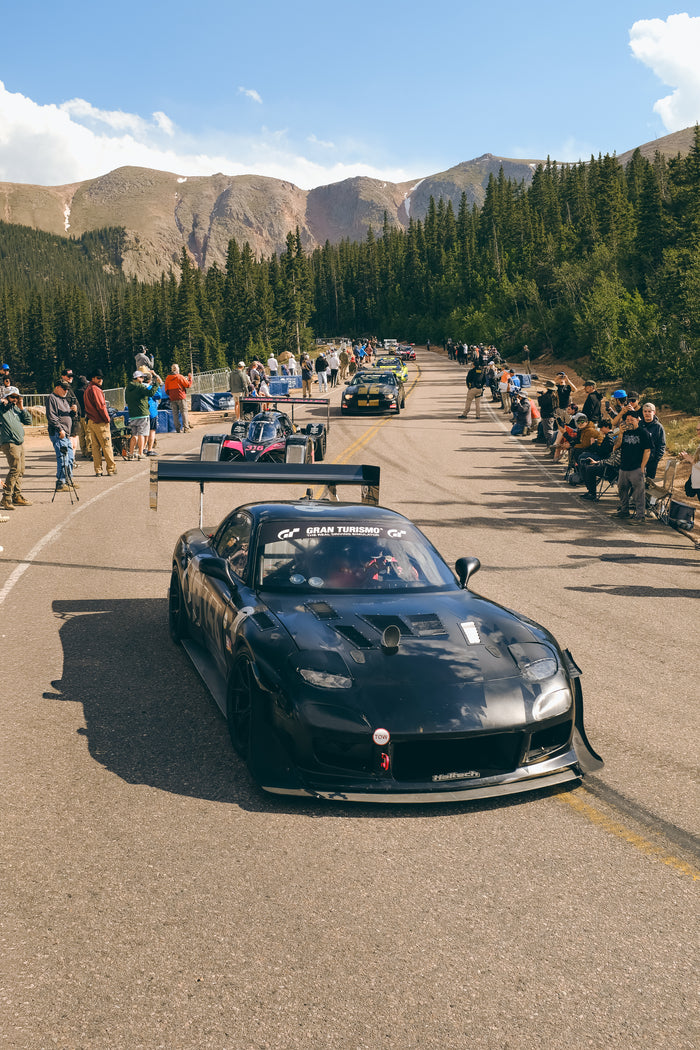
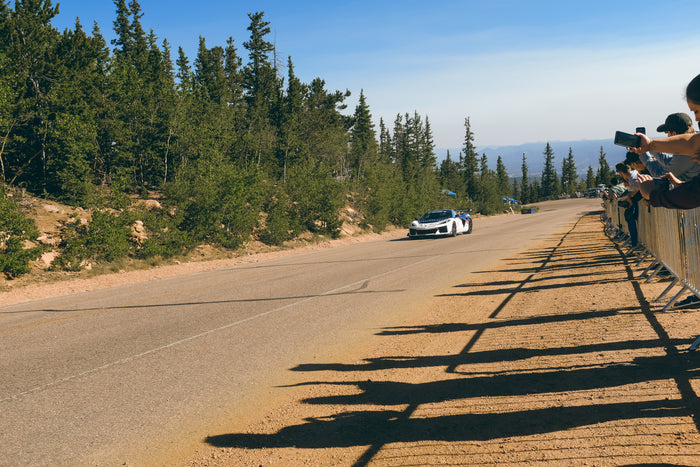
Emelia Hartford returned to the mountain for her second time and drove a 2026 Chevrolet Corvette up the mountain in 10 minutes, 11 seconds, claiming the title of fastest woman in Pikes Peak history.The battle for the front-wheel-drive record was fascinating, with “drift king” Dai Yoshihara claiming the title in an Acura Integra Type S, only to lose that title moments later when rookie Jim Morris and his Volkswagen Golf raced up Pikes Peak seven-hundredths of a second quicker. This year’s fastest driver was current all-time record holder Romain Dumas, who secured his sixth “King of the Mountain” title in an all-electric, all-wheel-drive 2025 Ford Super Mustang Mach-E, with a time of eight minutes, 18 seconds.
The mountain gave as much as it took, with three major crashes that brought out the red flags and severely delayed the event. One driver went off course shortly after the start line and crashed into the pine trees, and another driver crashed in Engineers Corner, where race crews and officials joke that you need to be an engineer to successfully navigate around the bend; both drivers were uninjured. Colorado-native Partick Culligan lost control of his 2026 Nighthawk Pikes Peak Special near the summit and had to be transported by helicopter to a hospital, where he underwent surgery to repair a broken pelvis and right femur.
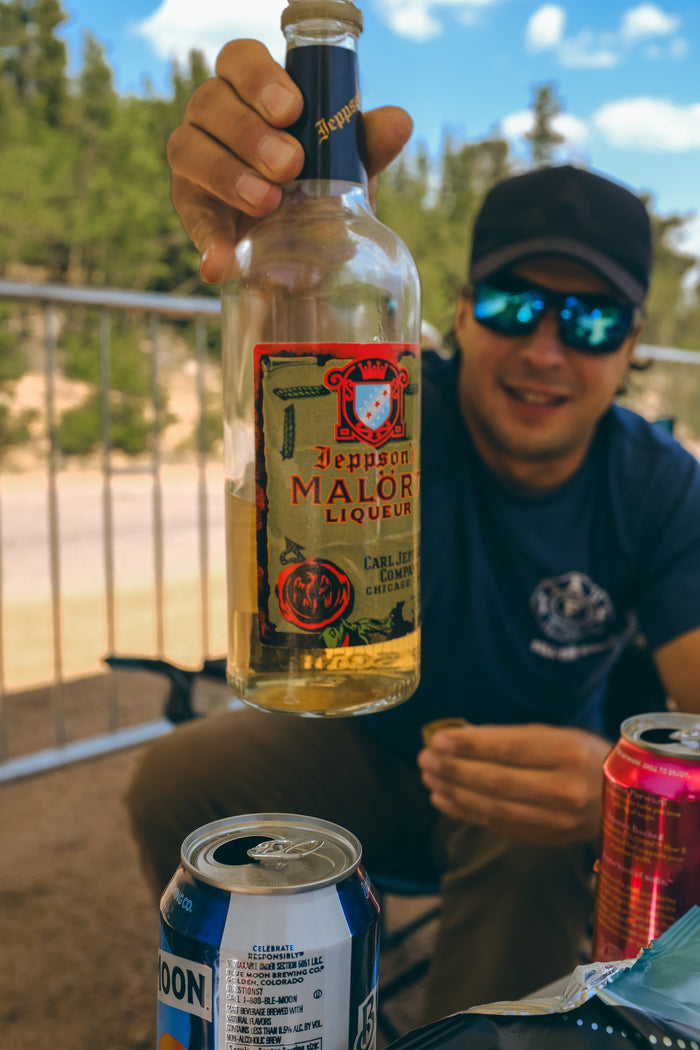
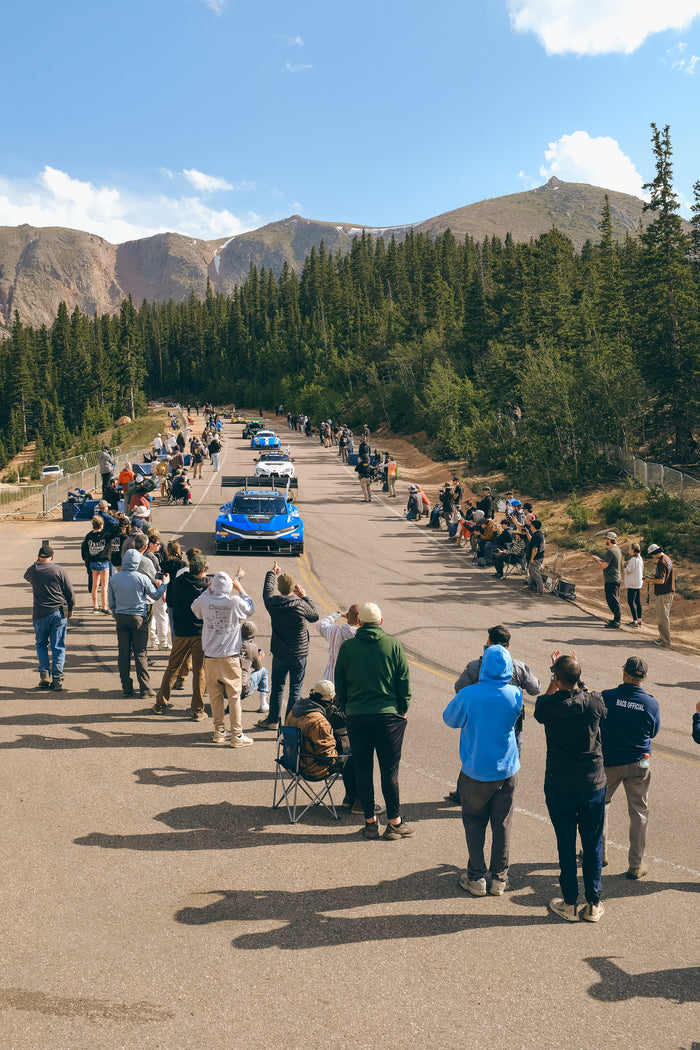
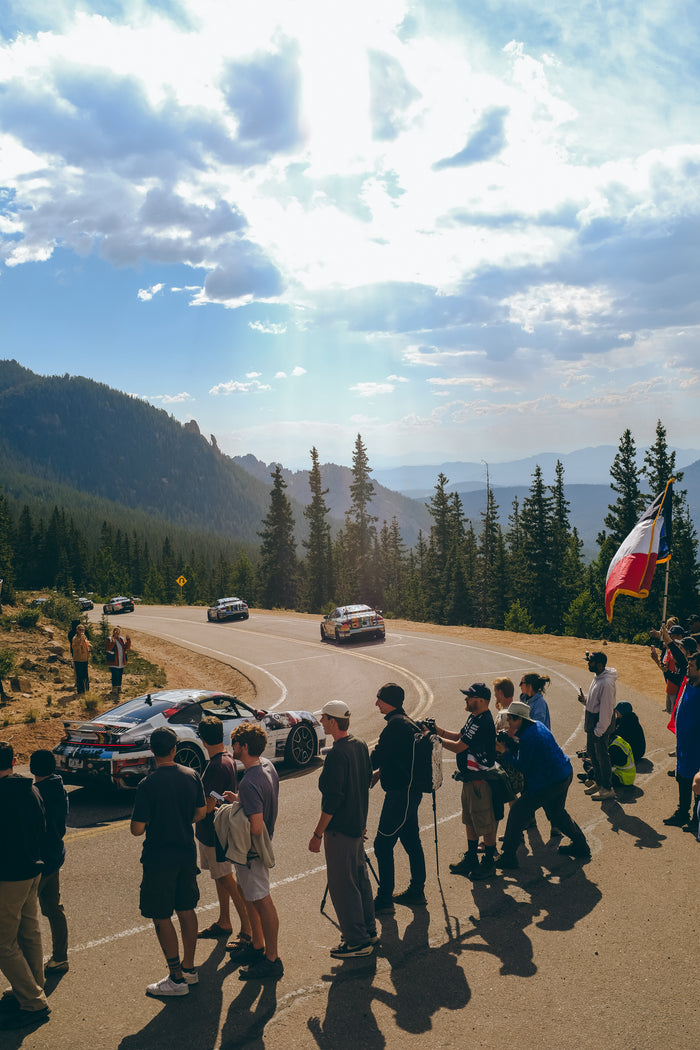
Due to the delays, this year’s race took nearly ten hours to finish. We had no choice but to stay until the end, seeing how the only way to leave is to drive down the mountain road where racers are coming up, which meant my friends and I had plenty of time to discuss where we would camp next year. Then, after the last race car made its run up, we waited for the “Parade of Champions” to descend from the summit, and we snuck in behind the final race car and slowly made our way back down “America’s Mountain.”
pioneers Sep 26
Pioneer Stories: Charley Boorman - Adventure, Friendship and the Open Road
pioneers Aug 26
Pioneer Stories: Walt Siegl – Building Beauty with Purpose
Aug 26


