April 26
Our Silk Care Guide: Everything You Need to Know
Silk has a bit of a reputation. “High maintenance, easy to ruin, best left alone.”
In reality, it just asks for a different kind of care. It is a natural fibre, made from protein, so it reacts to heat, water and friction in ways cotton does not. Get that right, and it holds onto its softness and quiet sheen for years.
Start with the one thing that matters most. Always read the care label on your garment. Silk is not one size fits all. The weave, the weight, the finish all change how it should be treated. For our silk garments, care labels state dry clean only, and that guidance should always be followed. The label will always give you the clearest answer for that specific piece.
Because of this, we do not recommend washing our silk garments at home. Professional dry cleaning ensures the fabric is handled correctly and helps maintain its finish over time. Not following the care label is done at your own risk and can lead to damage that cannot be reversed.
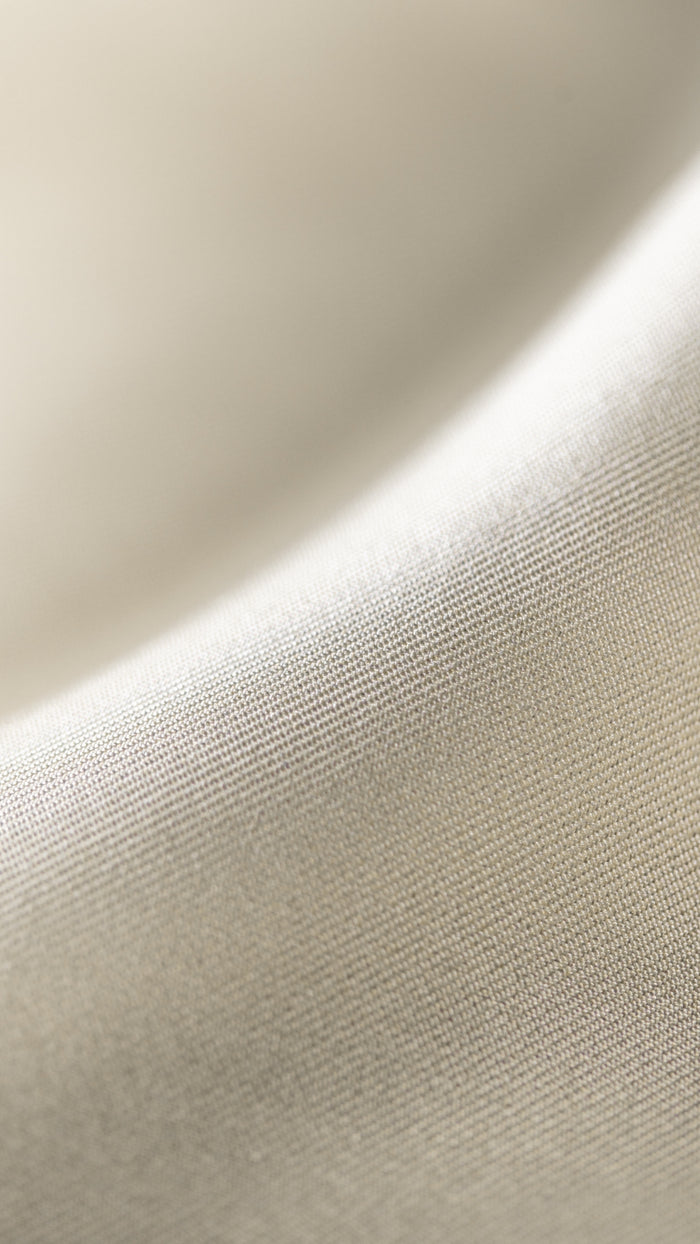


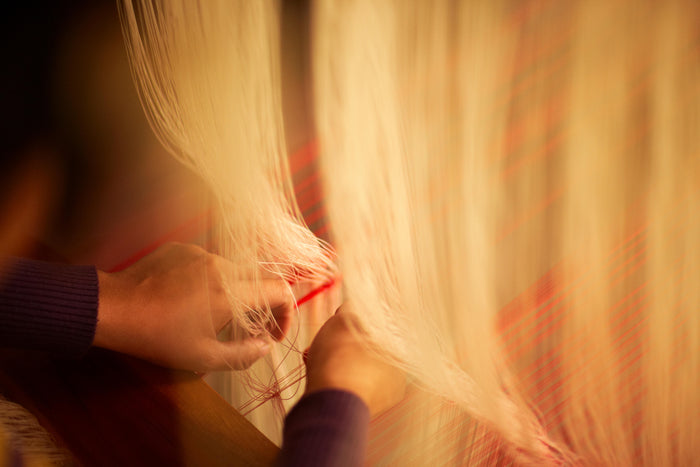
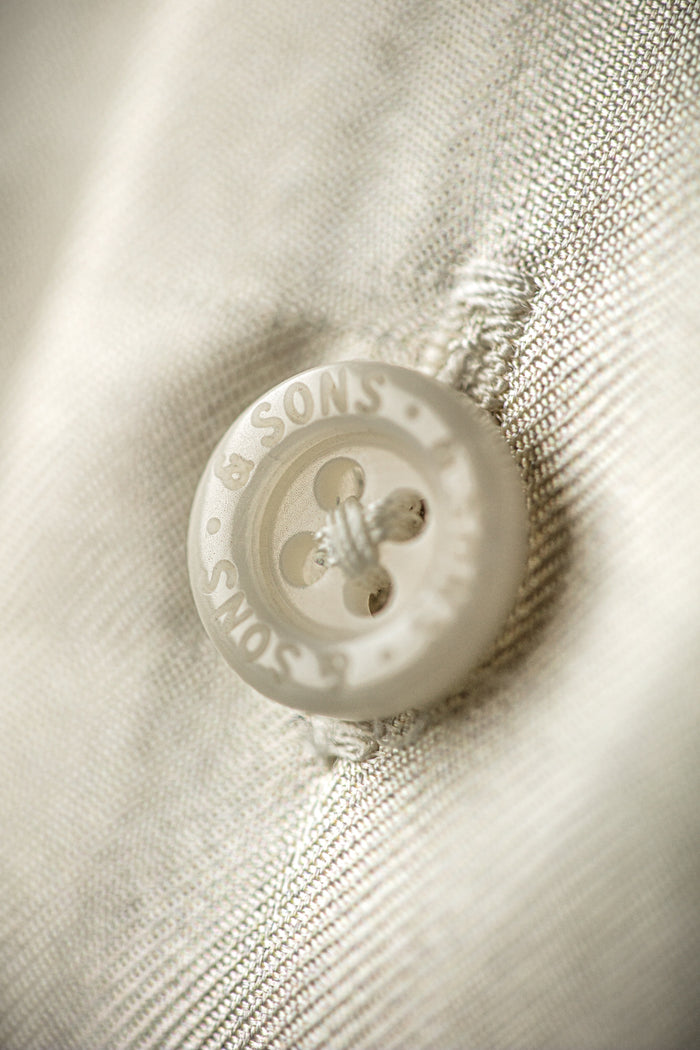

Heat is where things tend to go wrong. Silk fibres are sensitive, so high temperatures can weaken them and dull the colour. Keeping exposure to heat controlled, whether during pressing or general wear, will help preserve the fabric’s quality for longer.
Ironing is a light touch job. Low heat, inside out, and ideally while the fabric is still slightly damp. A pressing cloth or a clean, white 100% cotton piece of fabric will help protect the surface. Steam can work, but keep it controlled. Too much in one place and you risk marking the fabric.
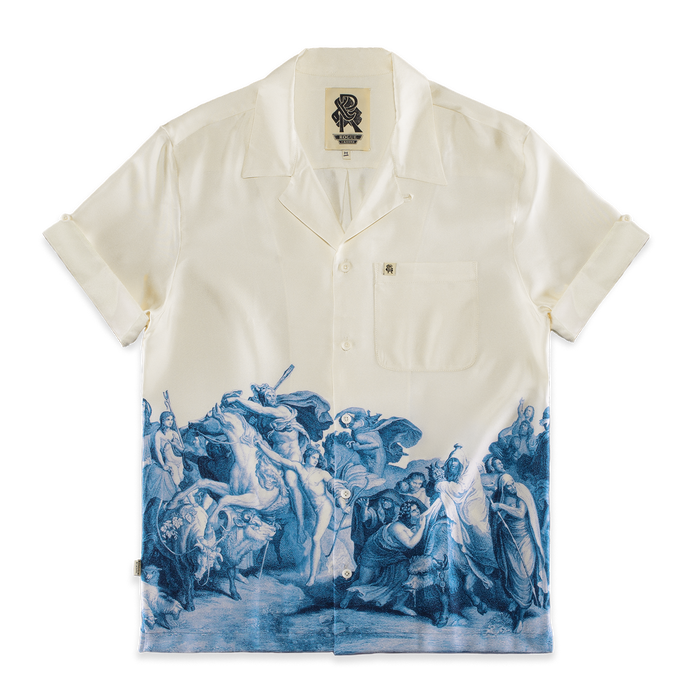
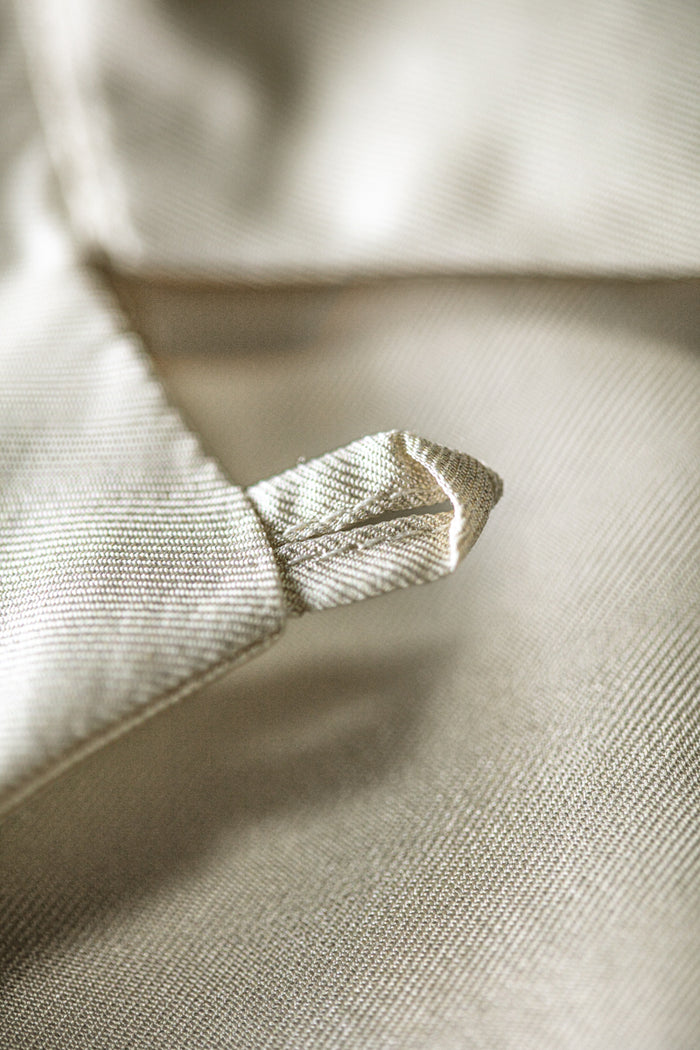
Take something like our ROGUE Babel Silk Shirt. The care label tells you everything you need to know. It is 100% silk and marked as dry clean only, normal process, which means this is one to leave to the professionals. It also calls out avoiding snagging, as silk’s fine, delicate threads can catch on rough surfaces, sharp objects or jewellery.
If small snagging does occur, it can often be eased back into place by gently pulling the fabric around the snag from each direction. Any excess thread can be worked through to the inside using a fine needle. Avoid pulling directly on the snag, as this can cause further damage. Larger snags are best taken to a professional or tailor.
We also advise a cool iron on the reverse, reinforcing the need for low heat and a bit of care when pressing. No washing, no tumble drying, no shortcuts.
In Conclusion,
Follow the label, handle it with intention, and silk becomes less about fragility and more about longevity.
Done right, silk stops feeling delicate and starts feeling dependable. It keeps its finish and earns its place over time. Just follow the label, take your time with it, and it will look after itself.

pioneers Sep 26
Pioneer Stories: Charley Boorman - Adventure, Friendship and the Open Road

pioneers Aug 26
Pioneer Stories: Walt Siegl – Building Beauty with Purpose
Aug 26


