May 26
Pioneer Stories:Alex Earle
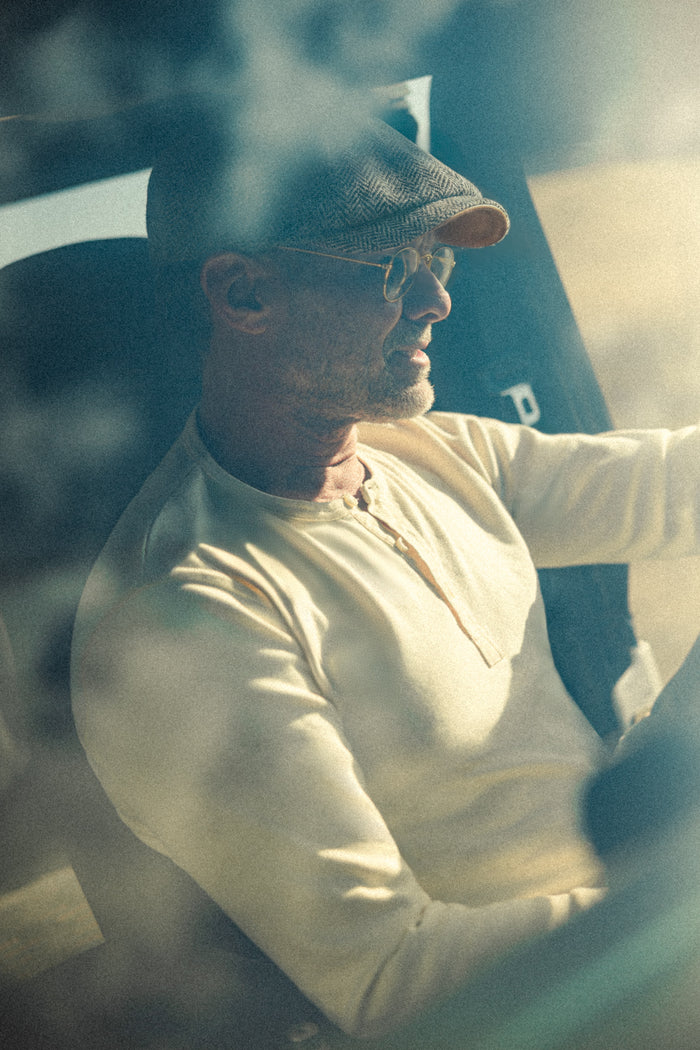
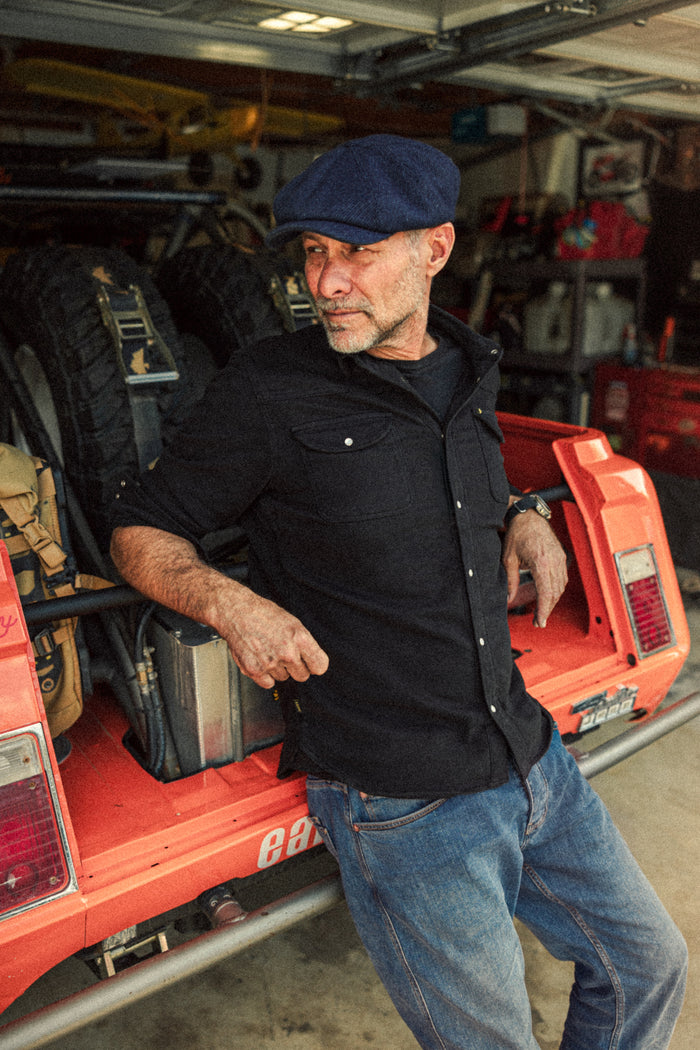
Alex Earle is a veteran automotive designer known for building highly respected custom motorcycles and teaching at the ArtCenter College of Design in Pasadena, California, though he is currently on sabbatical.
Raised in the basement of his mum’s house in Salt Lake City, Utah, Earle once believed he’d spend his life working as a school custodian until a scholarship to Utah State University pointed him towards landscape architecture.
While at college, Earle discovered a catalogue for ArtCenter and became obsessed with the idea of studying there. Without the money to attend, he finished his degree and moved to Denver to design municipal gardens and parks instead.
A few years later, he submitted what he describes as a “really, really bad” portfolio to ArtCenter and was unexpectedly invited to visit. Seeing the clay models, sketches and drawings in person instantly changed everything. Earle enrolled at 26, later interning at Porsche in Weissach and Renault outside Paris before joining Porsche’s Huntington Beach studio, where he helped design the 205-mph Carrera GT.
“I found myself presented with all sorts of unexpected opportunities and just went for it,” says Earle.
We sat down with Earle to discuss his approach to design, the balance between form and function, and what being a pioneer means to him.
What does the word “pioneer” mean to you?
"When I think about pioneers, the first thing that comes to mind is the Mormon pioneers coming into Utah. But for me now, it’s more connected to the Pioneer class I race in Baja. It’s about the first guys heading down there in old off-roaders and motorcycles, figuring it out as they went and finding their way through uncharted roads.
That’s what being a pioneer means to me. People doing something first, having that explorer mentality, and not relying on other people to tell them where adventure lies. Just figuring it out for themselves."
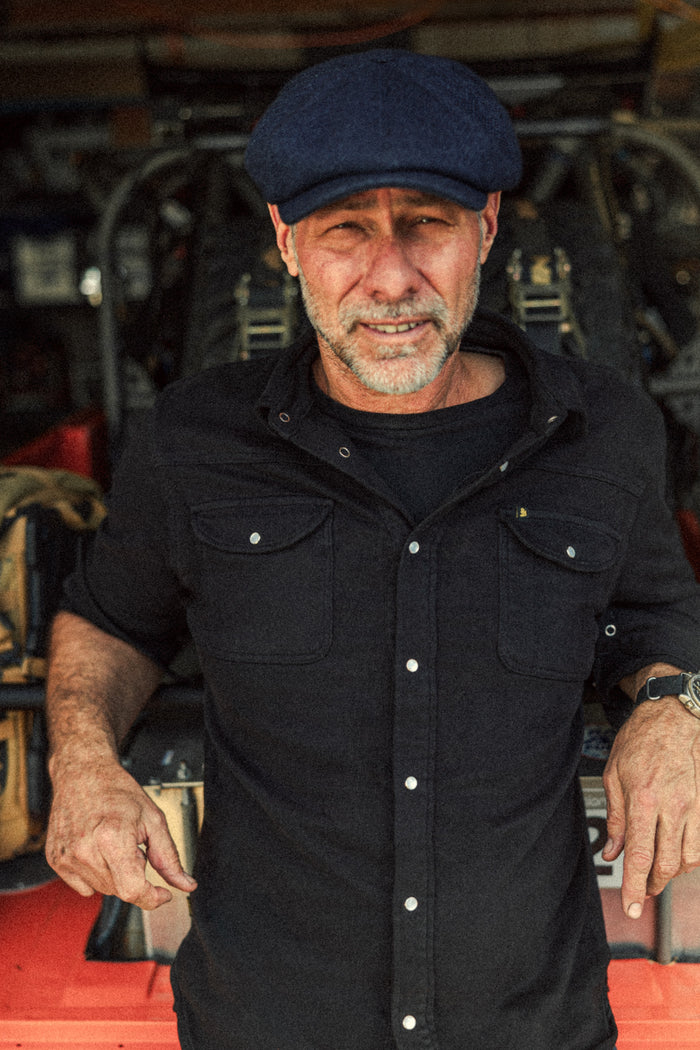
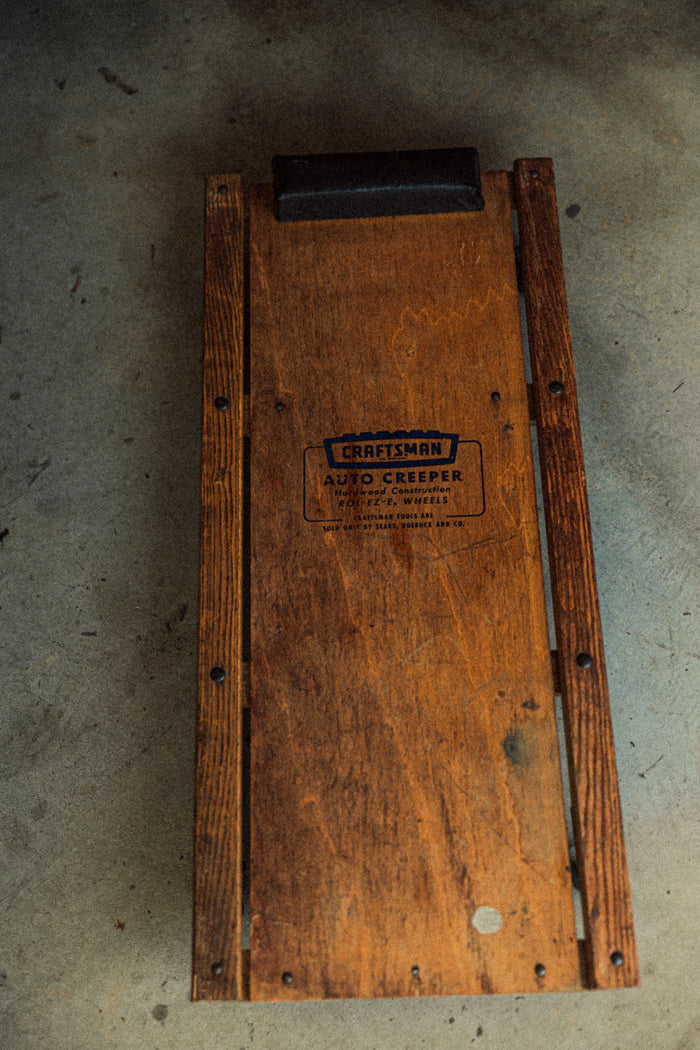
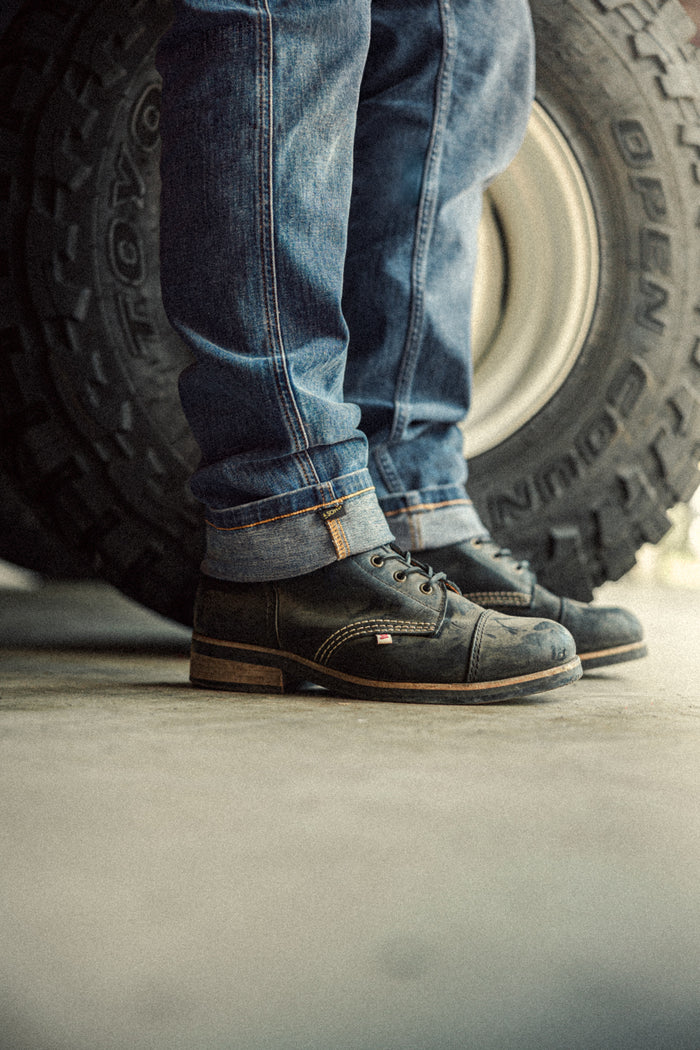


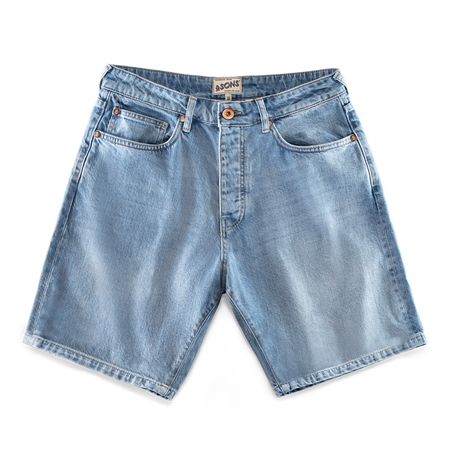




How has your custom work evolved over time?
"My approach has always started the same way. I come up with some kind of mission or storyline in my head. Where do I want to go? What do I want to do? What’s the end goal?
What’s changed over time is that I’m less concerned about reinventing every detail. Earlier on, I would try to redesign everything from scratch every single time. Now I care more about the experience the machine gives me. If there’s already a proven solution that works for what I need, I’m happy to use it and get out there riding or testing instead of spending five years building something."

Where do you draw the line between chasing perfection and letting something go?
"My standards probably come from studying industrial design at ArtCenter. They really push this idea of perfection and constant refinement.
Honestly, the only thing that usually makes me stop is time. If we’re leaving for a trip on Friday, then it has to be done. Otherwise I’ll keep developing things forever.
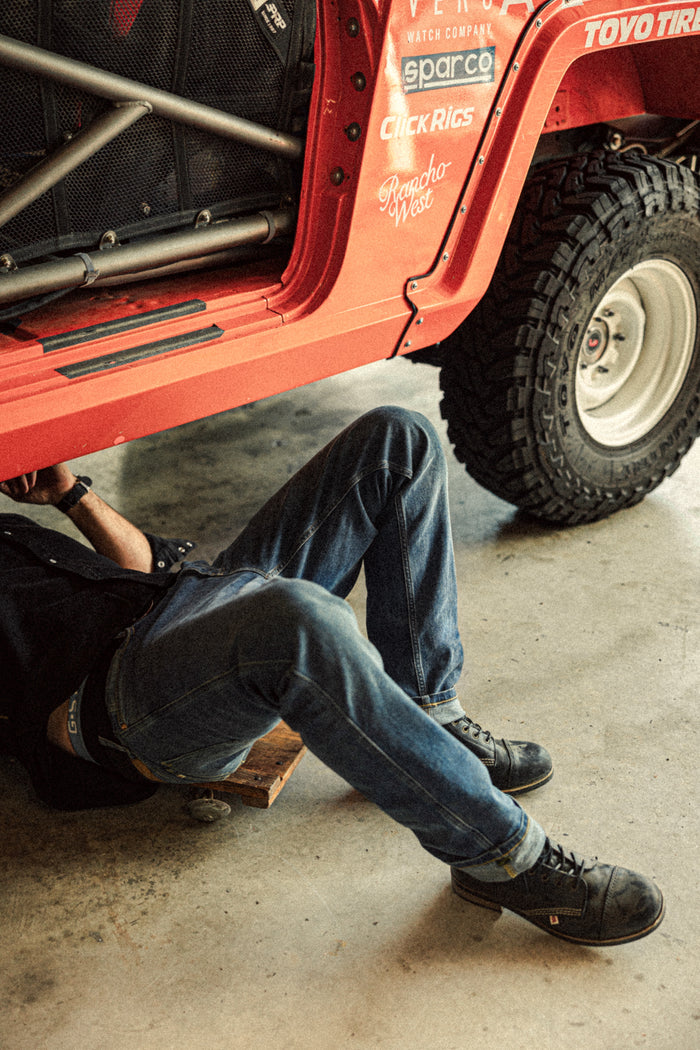
I’ve made one-off parts for myself that cost an unreasonable amount of money and development time because I get obsessed with doing them properly. Even after projects are finished and out being ridden, I’m still refining them years later."




How do you balance form and function?
"Everything I build is desert and off-road focused, so function drives all of the decisions from the beginning. If something needs a certain wheel size, suspension setup, or travel to actually work properly off-road, then that’s what it gets.
For me, form follows function completely.
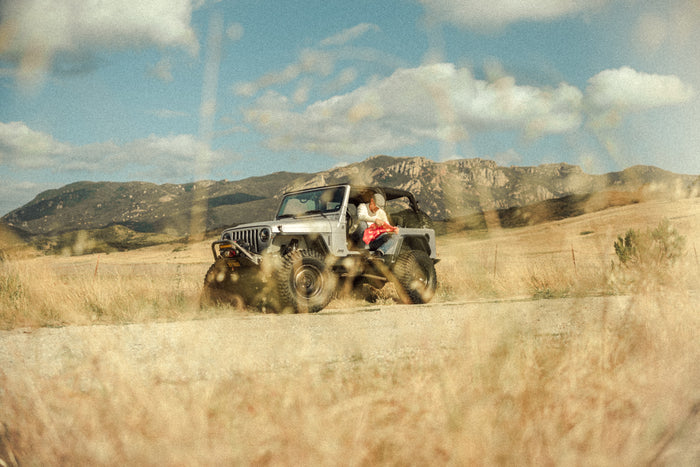
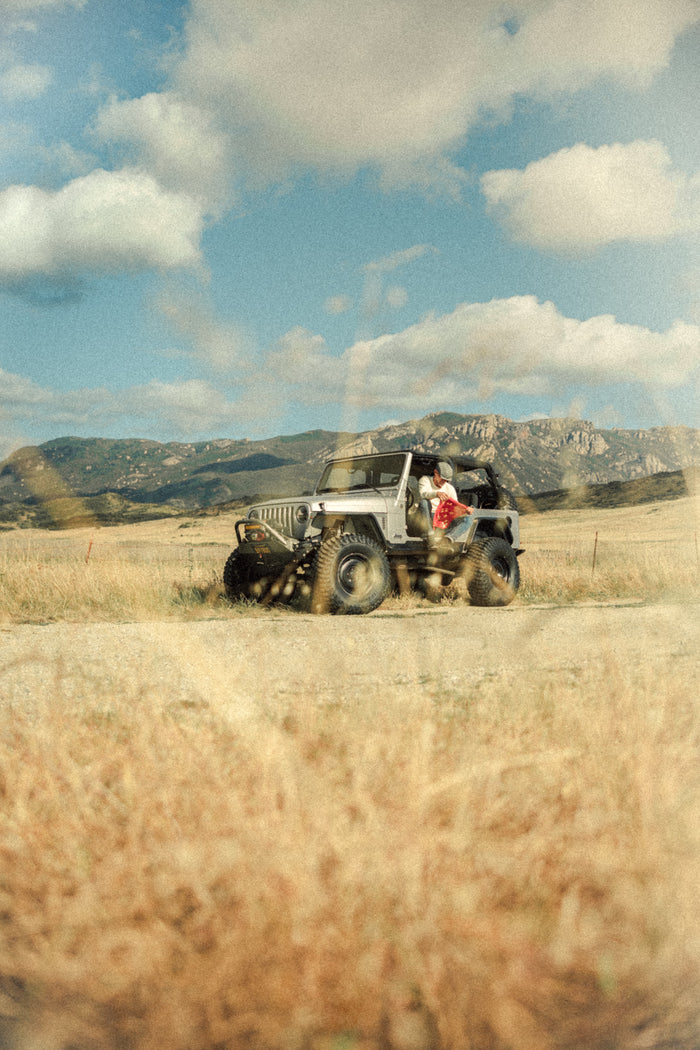
That’s why I love old Jeeps. You can look at one and instantly understand what it was built to do. They’re honest machines. Even after sixty years, they still function, they still serve a purpose, and people keep rebuilding and handing them down because the original design was so good."



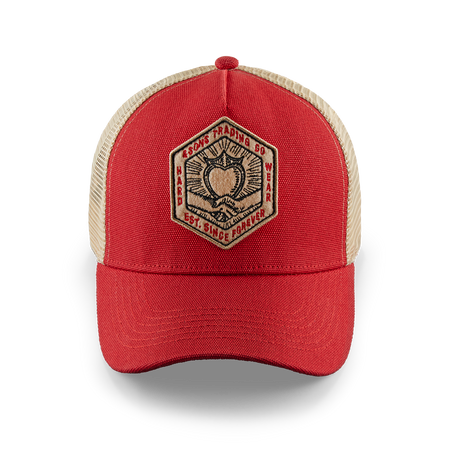
What do you look for in clothing?
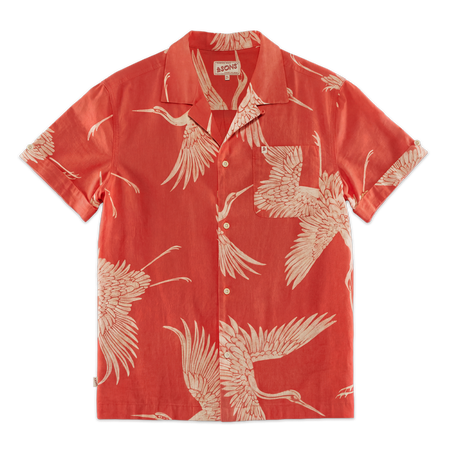
"I approach clothing the same way I approach the things I design. I want clothes that function across all the different environments I move through during the day.
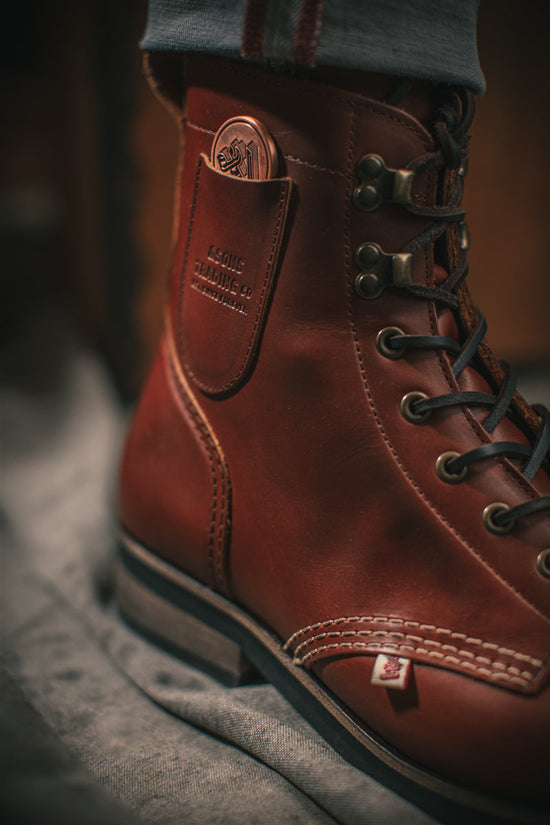
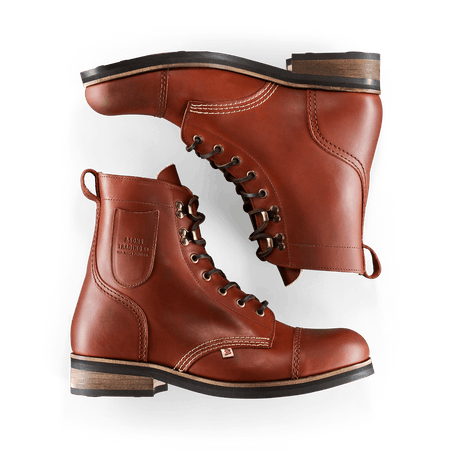
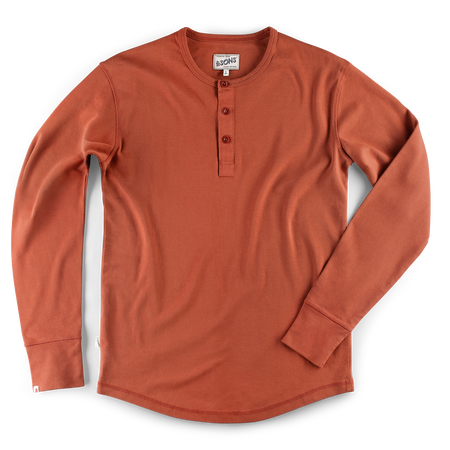
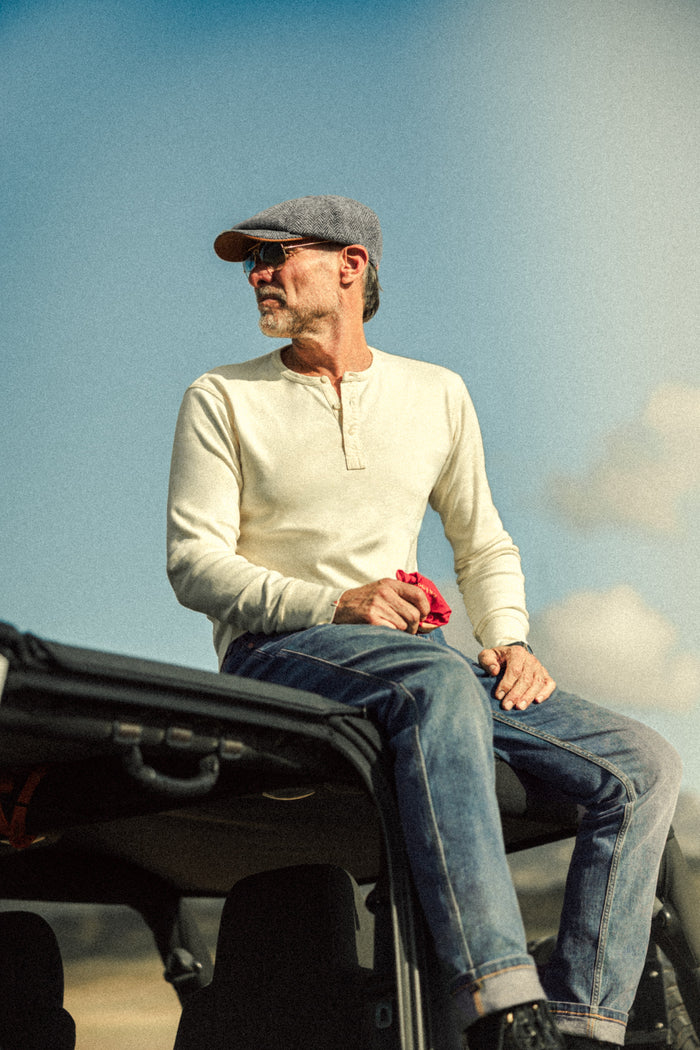
I like being able to wear the same thing at work, driving the Jeep, riding a motorcycle, or heading out across the desert. Durability matters a lot to me. I want strong pockets, seams that hold together, fabrics that can handle wear, weather, and movement.
Style matters too. Certain clothing just fits naturally with those environments and lifestyles. I want pieces that feel functional, durable, and appropriate without trying too hard."
pioneers Sep 26
Pioneer Stories: Charley Boorman - Adventure, Friendship and the Open Road
pioneers Aug 26
Pioneer Stories: Walt Siegl – Building Beauty with Purpose
Aug 26


