June 26
Mens Health Week | Shoulder to Shoulder
The Past
For generations, British men were raised on a quiet instruction: get on with it. The stiff upper lip, sold as strength. From schoolyards to factory floors, Victorian principles, set hard by two world wars, taught men to endure rather than explain.
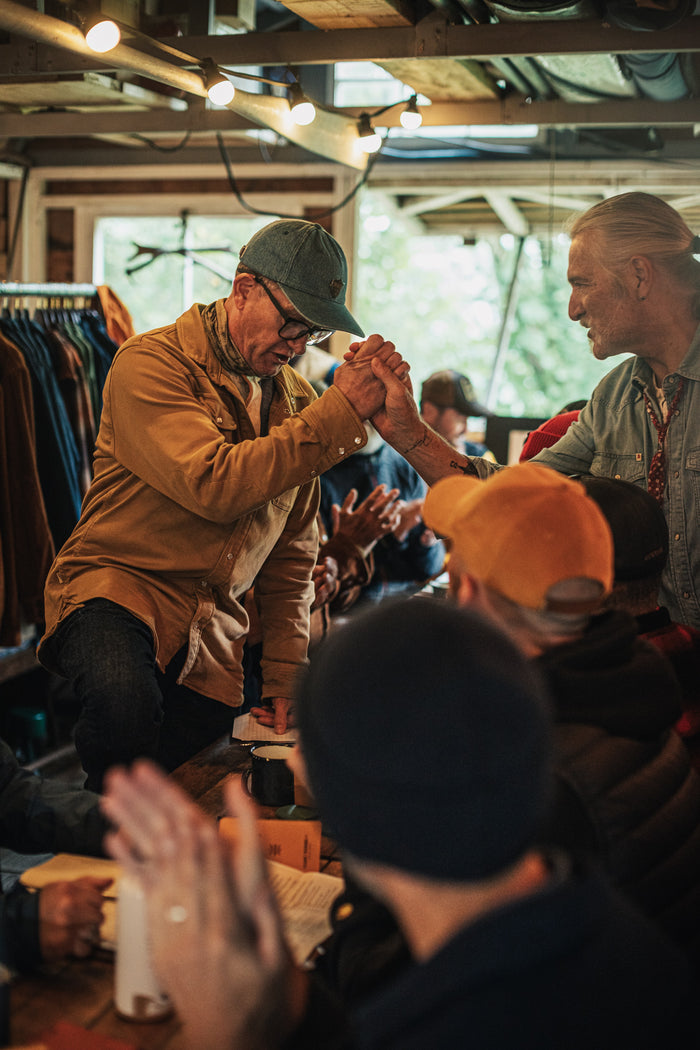
Men didn't talk about how they felt. They worked. Side by side in workshops, down mines, on the docks and the building sites, out in the fields. Connection happened through graft and proximity rather than conversation. There was something real in that, a camaraderie built shoulder to shoulder, but the cost was that the harder things tended to go unsaid. Stoicism hardened into silence, and the silence was passed down like a tool you inherit without instructions.
"The world breaks everyone, and afterward, many are strong at the broken places."
- Ernest Hemingway
The Present
Here's the better news, our generation is making real progress. We talk more than our fathers did, and far more than theirs. That's worth being proud of.
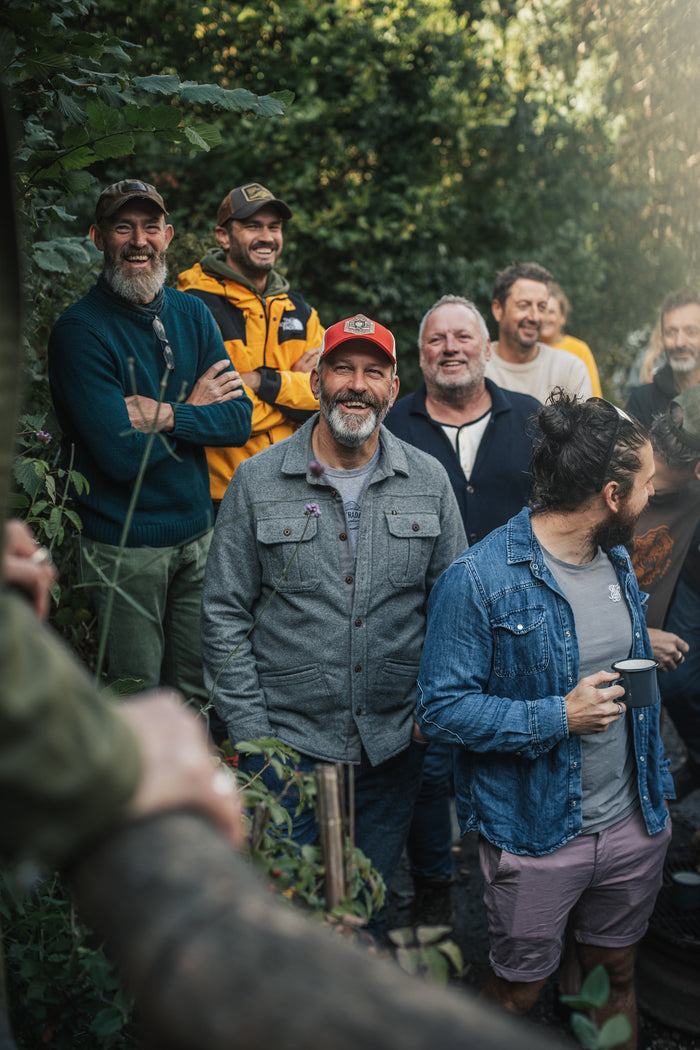
We've started to understand ourselves, too, and it turns out the old ways held a clue. Men tend to talk more easily side by side than face to face. Research by Greene King and Macmillan found more than half of men are more comfortable raising something personal shoulder to shoulder rather than across a table: on a walk, in the car, working on something together. It’s got a name, action-oriented communication.
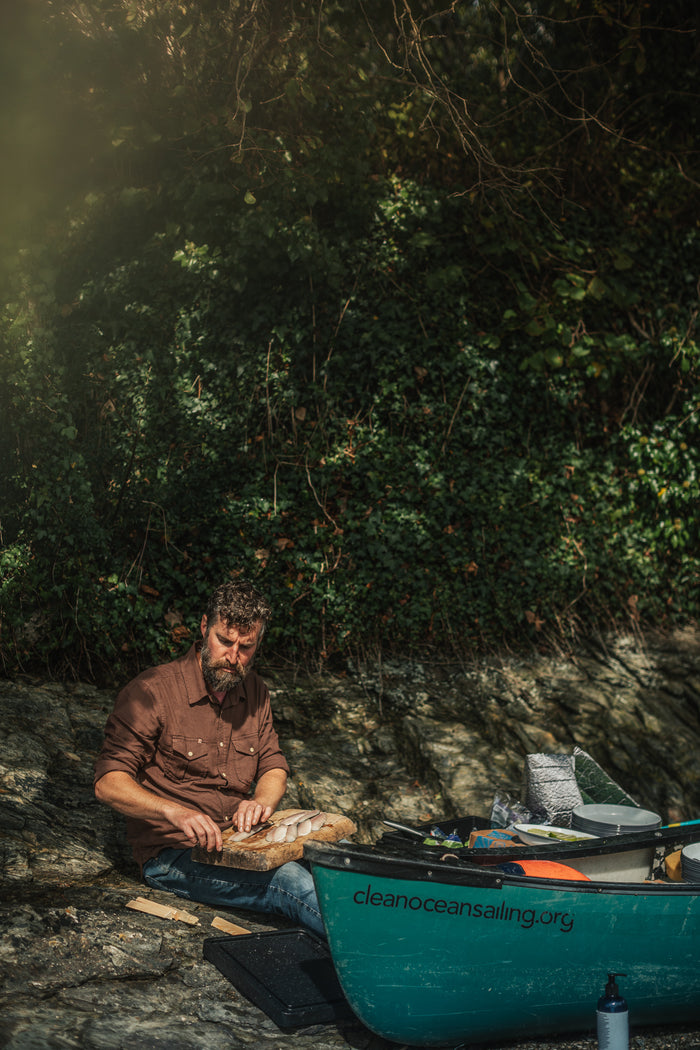
Sit men down and ask them to discuss their feelings and you get silence. Put a broken engine between them and an afternoon later they'll know everything about one another.
That said, statistics show we still have a much work to do. Suicide is still the single biggest cause of death for men under 50 in the UK, and around three-quarters of all suicides are male. The rate among women has fallen over the decades. For men it has stayed stubbornly high, and recently it has climbed to its highest this century.Only about a third of men say they regularly open up to friends or family. We continue to focus on coping rather than sharing.
"Talk and connect with people, even if it’s been a while. It’s easy to let life pass us by and settle for the status quo.”
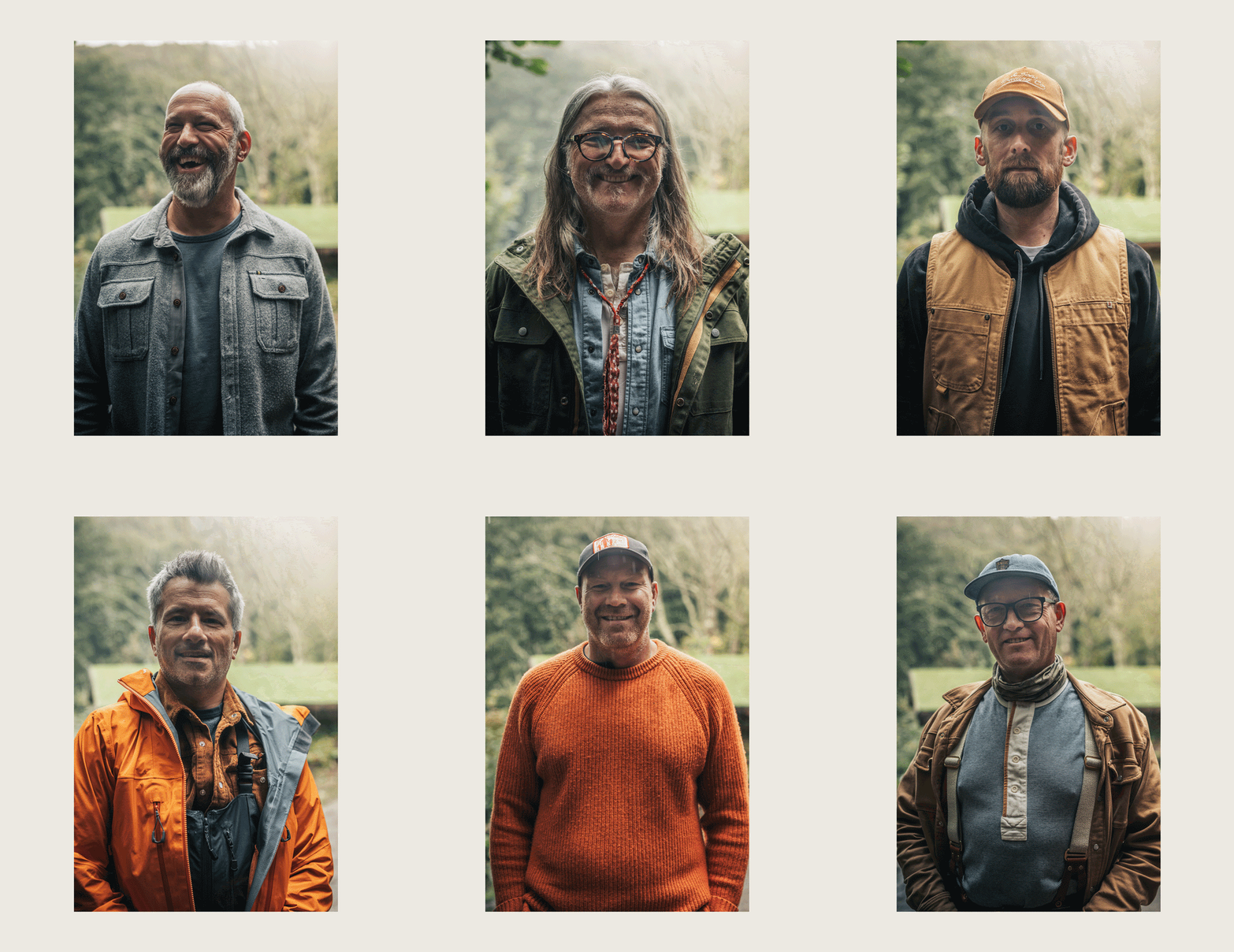
- &SONS Pioneer
The Future
Research shows the under-25s are the least likely of any age group to open up in person. So whatever we tell ourselves about progress, our inheritance is still being passed on.
We have a say in what we hand down, and this is the work. We learn by watching. Will our boys take more from lectures about feelings, or from what they see their fathers, uncles, coaches and mates actually do? If what they see is men who can say when they're struggling and ask when something's off, that becomes the normal they grow up with, in place of the stiff upper lip.
That's a future worth aiming at. Not men who feel less, but men who say more. The same strength, put to better use.
“I tell my son to stick to the mantra, Be kind whenever possible - and it’s always possible! And that means be kind to yourself too.”
- &SONS Pioneer
None of this is about having the answers. It's about making space. That's what Heads & Threads is for: our Facebook community for men who want somewhere honest to talk, about life, work, fatherhood, anything.
No judgement, no pressure, nobody pretending to have it all sorted. Just men checking in on each other. It's where a lot of this conversation is already happening, and it sits behind things like the Gentleman's Walk: men out on the road together, shoulder to shoulder.
This week we're sharing real stories from across our community. The men who shaped us, the men we've become, and the men of tomorrow. If you've got one to tell, we'd love to hear it.

If any of this lands close to home, you don't have to sit with it on your own.
- Samaritans, free, day or night: 116 123
- CALM (Campaign Against Living Miserably), 5pm to midnight: 0800 58 58 58, or webchat at thecalmzone.net
- Prefer not to talk? Text SHOUT to 85258
If you or someone you know is in immediate danger, call 999.
Figures drawn from the Office for National Statistics, Samaritans, NHS Talking Therapies data, and 2025 research by Greene King and Macmillan Cancer Support.
pioneers Sep 26
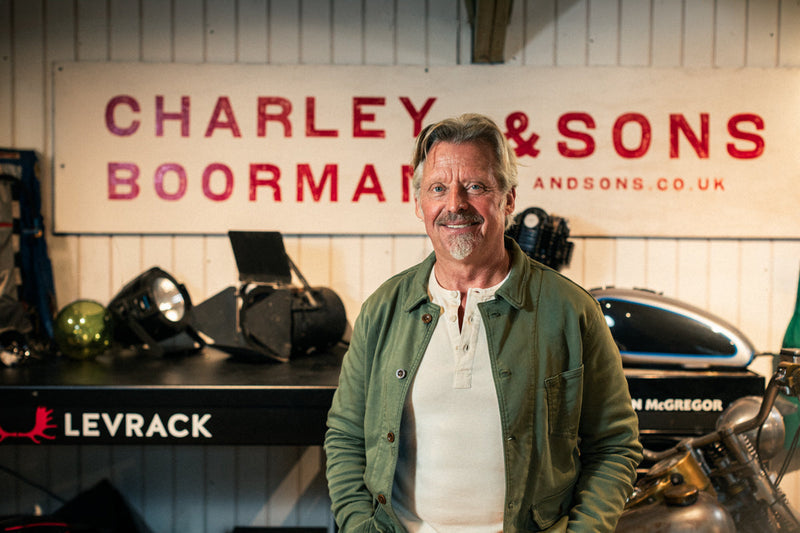
Pioneer Stories: Charley Boorman - Adventure, Friendship and the Open Road
pioneers Aug 26
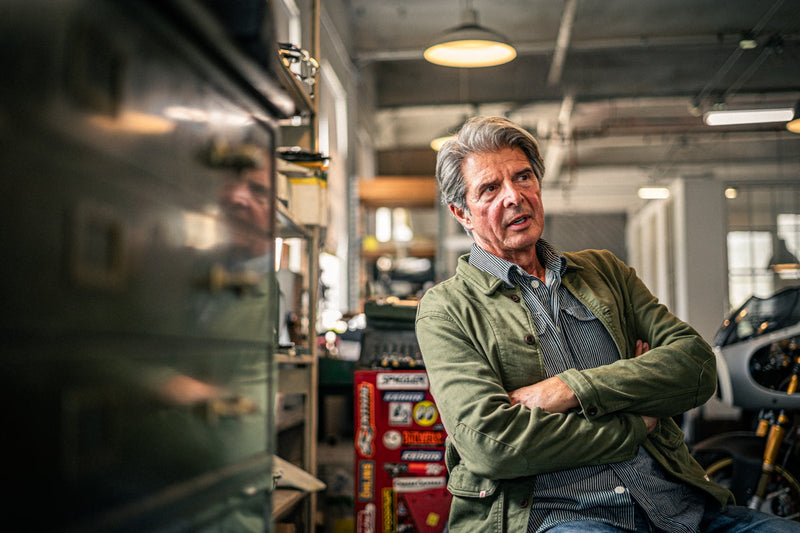
Pioneer Stories: Walt Siegl – Building Beauty with Purpose

Aug 26


